EssentialBig Agnes
Copper Spur UL1 Tent
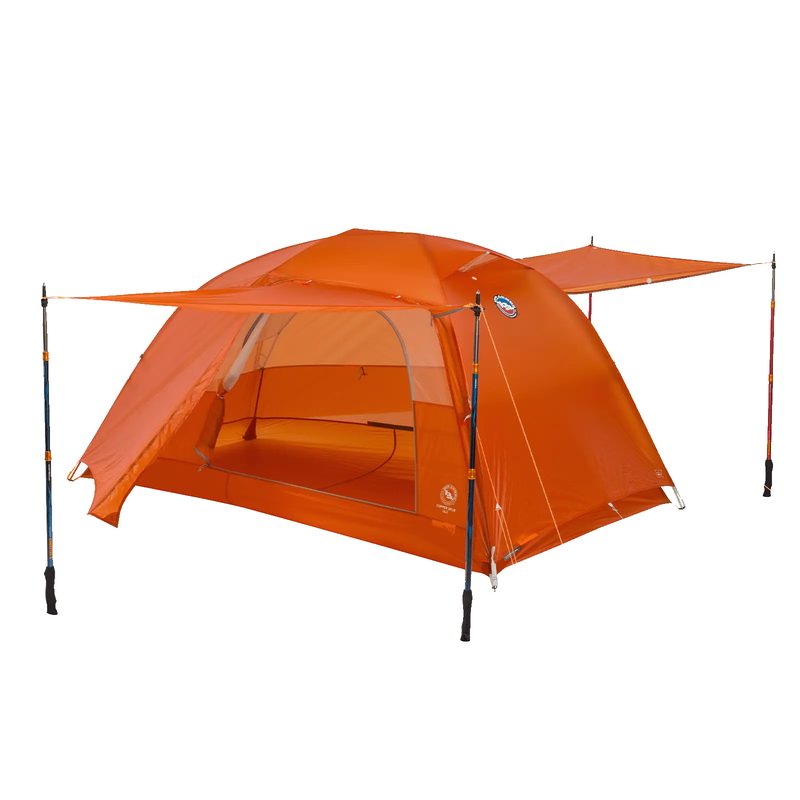
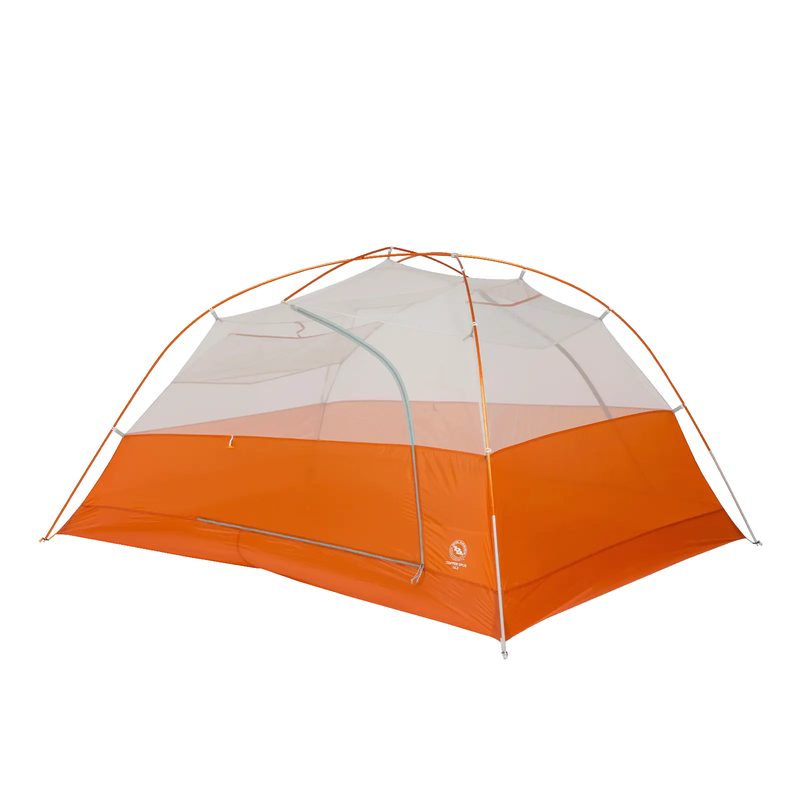
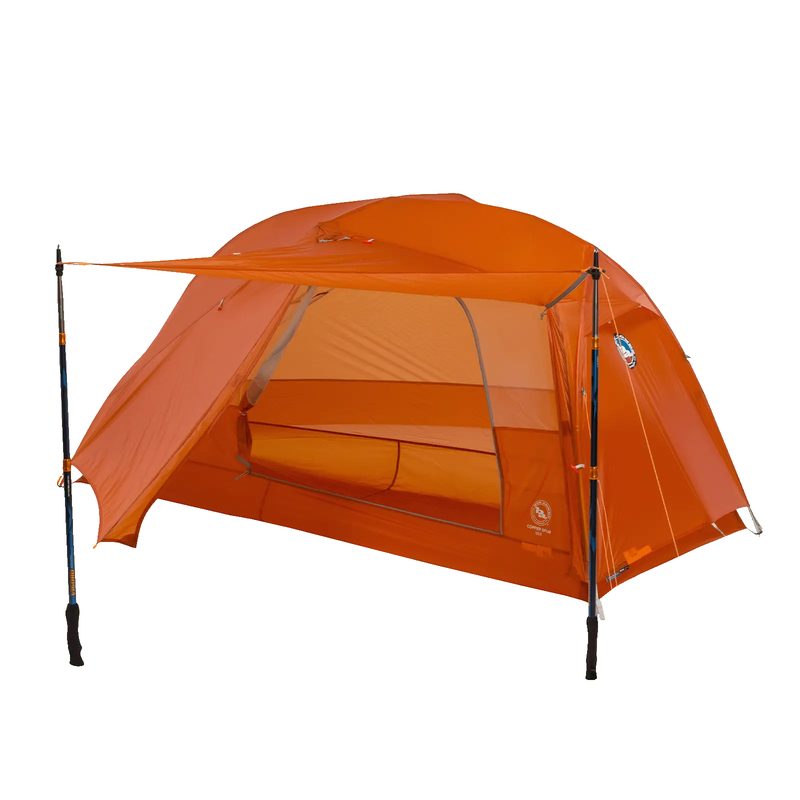
The one-person version of Big Agnes's best-known freestanding backpacking tent, at about 2 pounds on the trail. People pick it for a quick, pole-supported pitch and a covered awning door.
 Curry and SonsTrading Company · Est. 1995
The one-person version of Big Agnes's best-known freestanding backpacking tent, at about 2 pounds on the trail. People pick it for a quick, pole-supported pitch and a covered awning door.
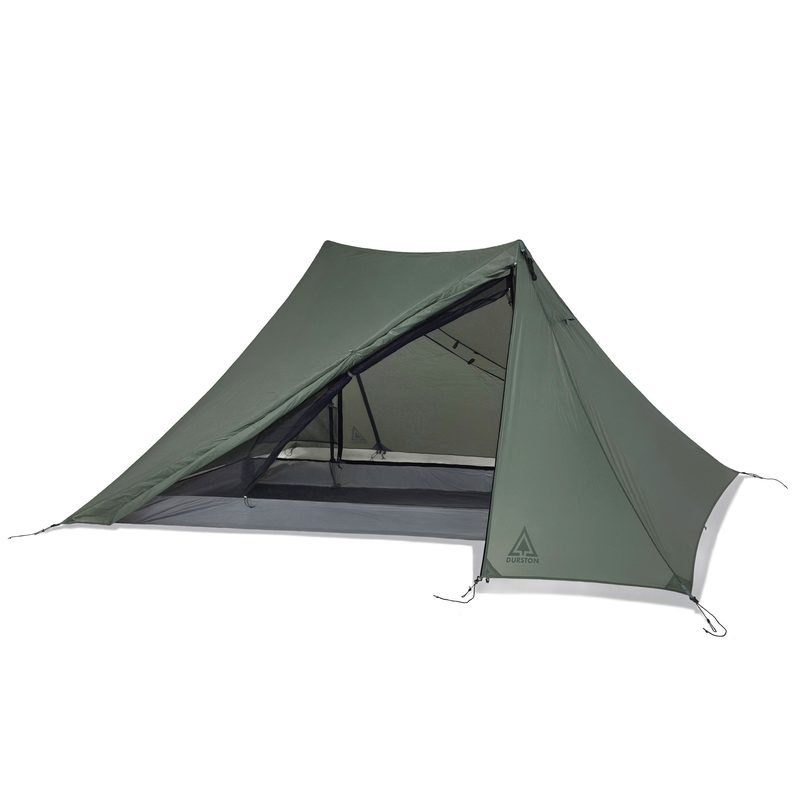
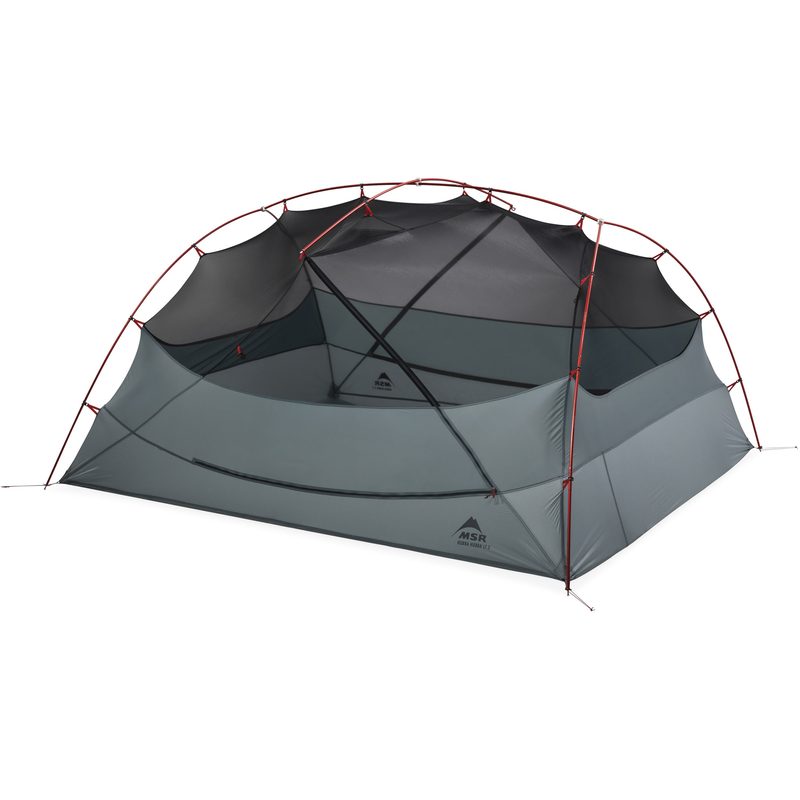
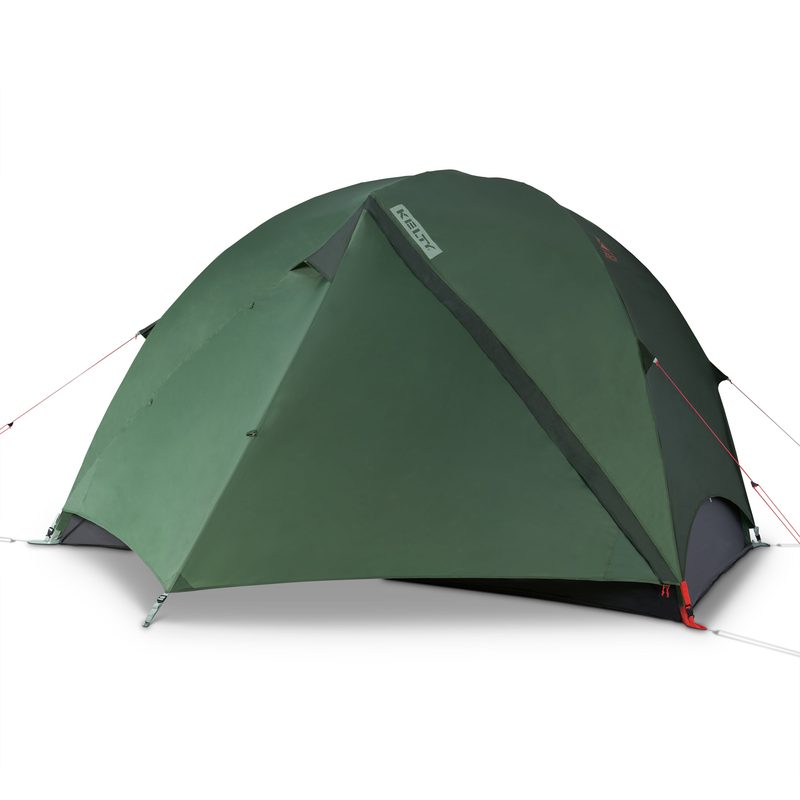
A double-wall solo tent that pitches with two trekking poles and weighs about 26 ounces. People pick it for the price, the two doors and vestibules, and how well it sheds wind and rain.
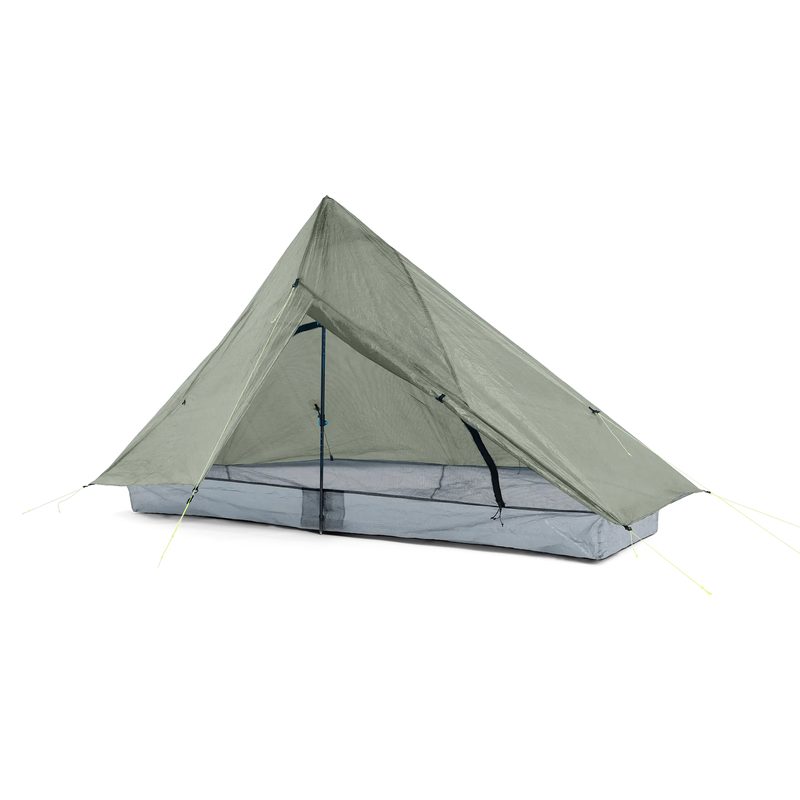
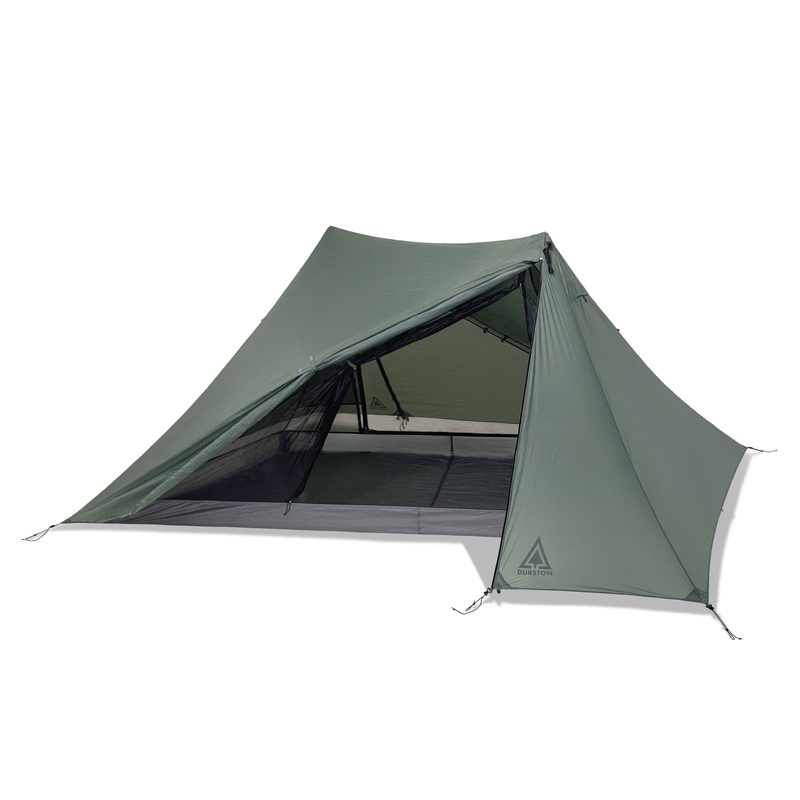
A single-wall Dyneema tent for one person that weighs about 12 ounces and pitches with one trekking pole. Long-distance hikers pick it for the very low weight with a roomy, tall interior.
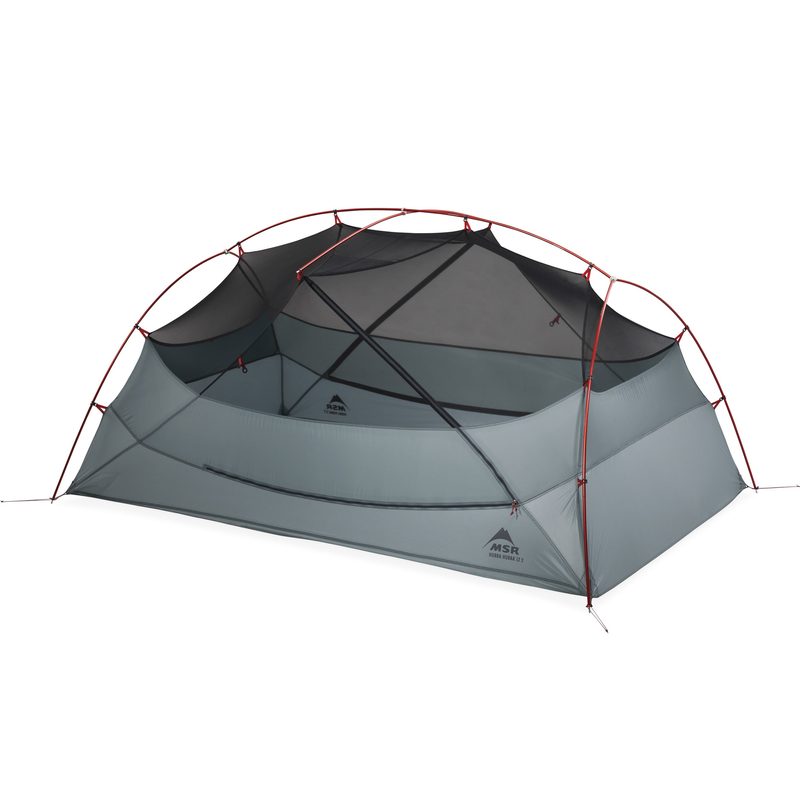
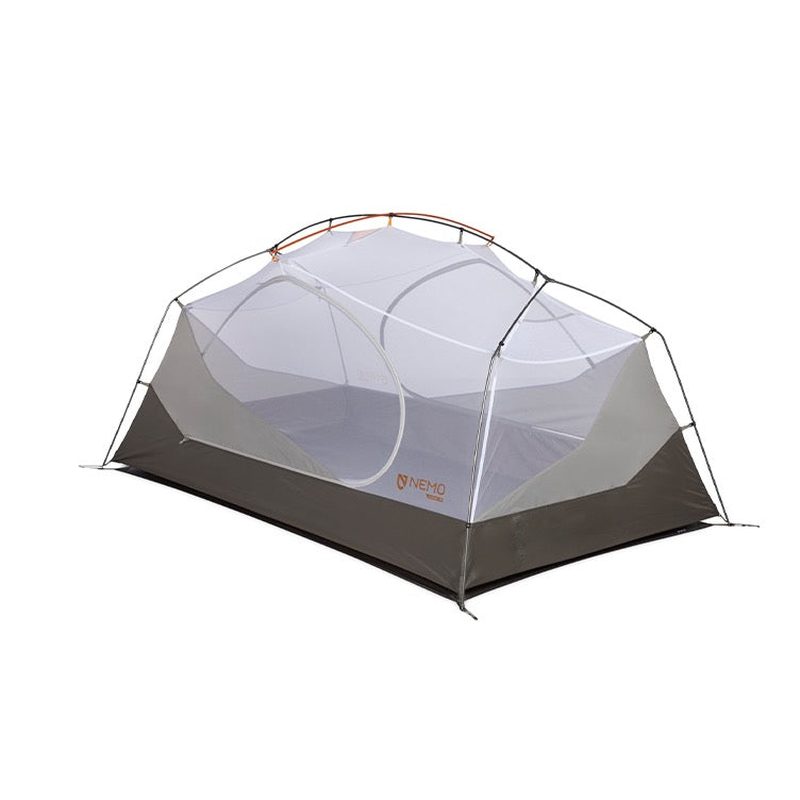
A freestanding two-person backpacking tent that weighs under 3 pounds, with two doors, two vestibules and steep walls for headroom. People pick it because it is light but still roomy and well built.
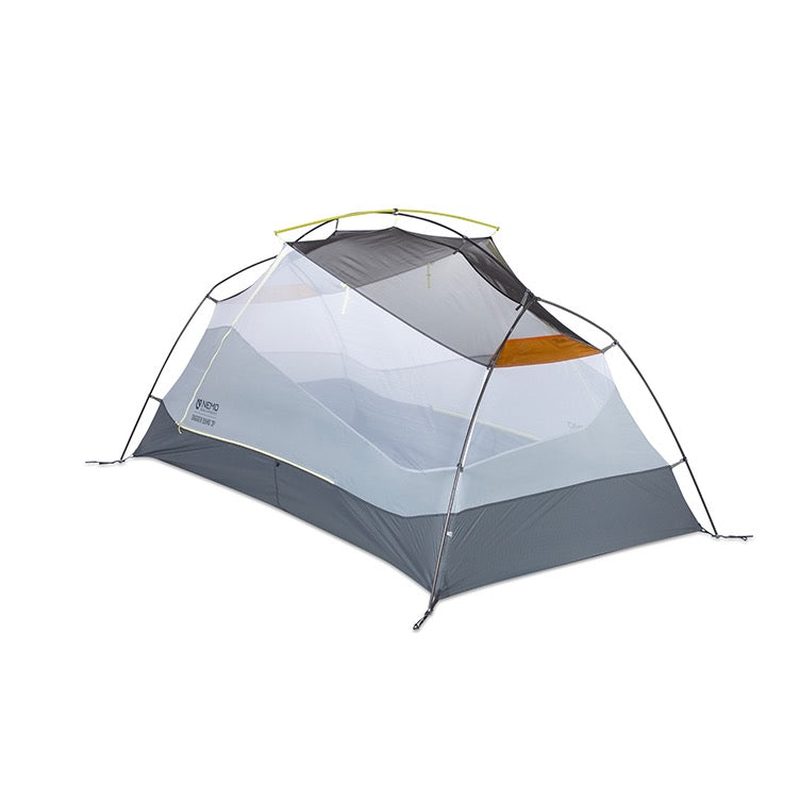
A semi-freestanding two-person tent that weighs about 2 pounds 3 ounces on the trail. People pick it as a very light tent that still uses poles, often as a roomy solo shelter.
A two-person trekking-pole tent that weighs about 31 ounces and costs much less than most tents its weight. People pick it for big vestibules, airflow and a fly-first pitch.
The current two-person Hubba Hubba: a freestanding tent with a true rectangular floor, two doors and a single hub pole. People pick it for space, sturdy build and an easy pitch.
A freestanding two-person tent with a lot of floor and vestibule space for its weight. People pick it when they want one tent for both backpacking and car camping.
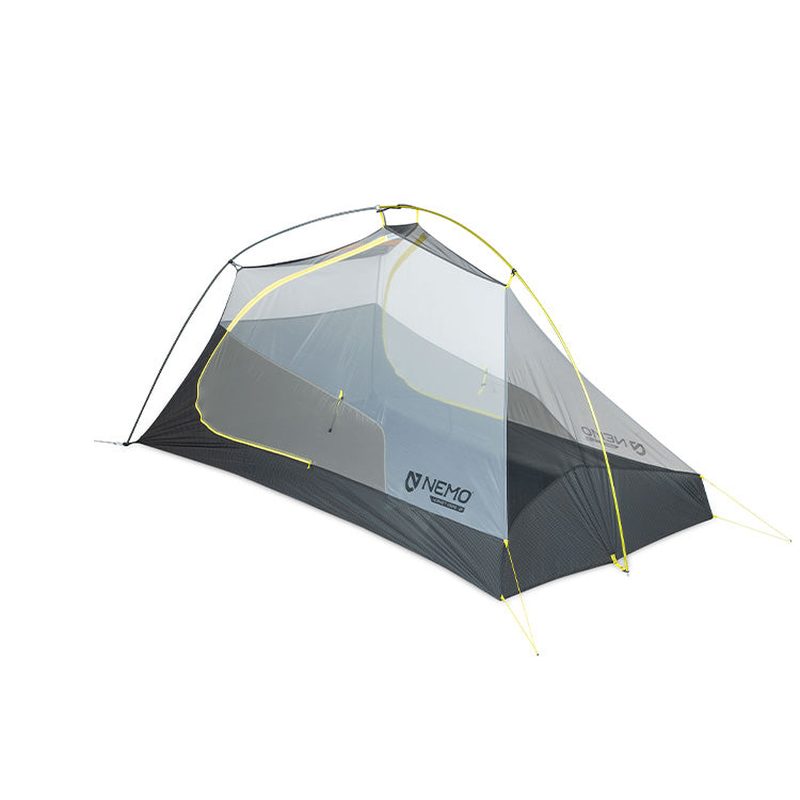
An ultralight, semi-freestanding tent at about 2 pounds 8 ounces packed. Many people buy the two-person size as a roomy shelter for one.
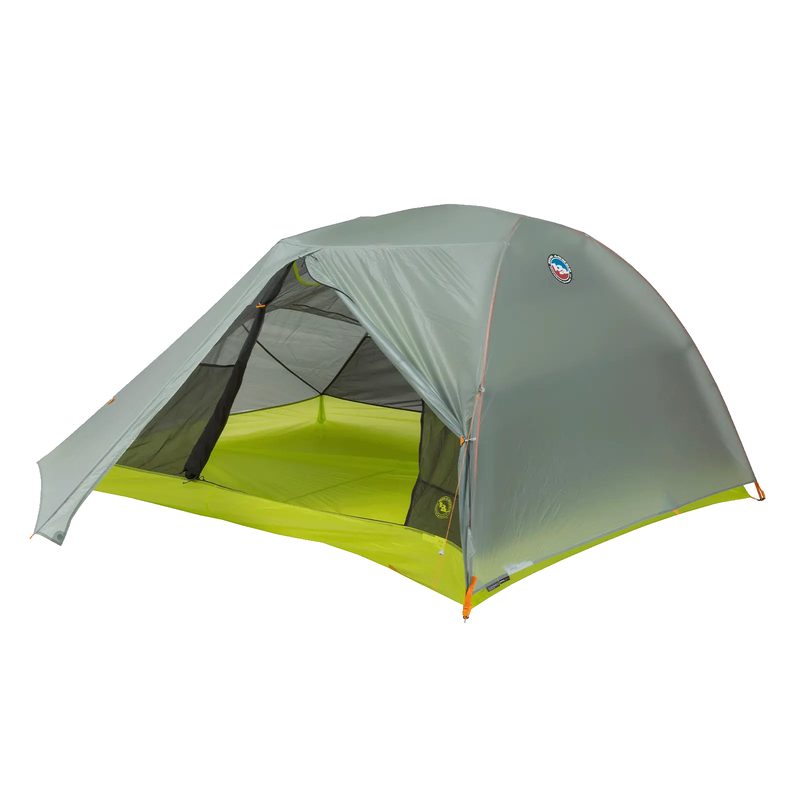
A freestanding three-person backpacking tent that weighs about 3 pounds 6 ounces on the trail. People pick it for a light tent that holds a small group, with two doors and awning-style vestibules.
A freestanding three-person backpacking tent with a true rectangular floor and a single hub pole. People pick it for space, durability and storm protection on group trips.
A budget-friendly freestanding three-person tent that ships with its footprint. People pick it for lots of room and headroom at a modest price, accepting extra weight.
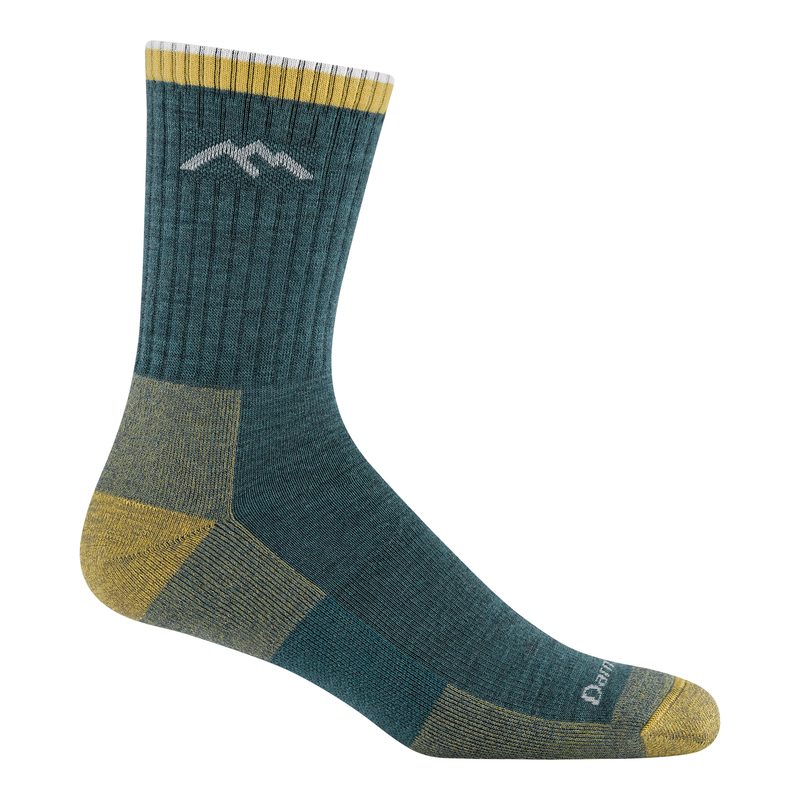
Midweight merino hiking socks that sit just above a boot collar, with terry cushion underfoot. People pick them for fit, durability and Darn Tough's lifetime guarantee.
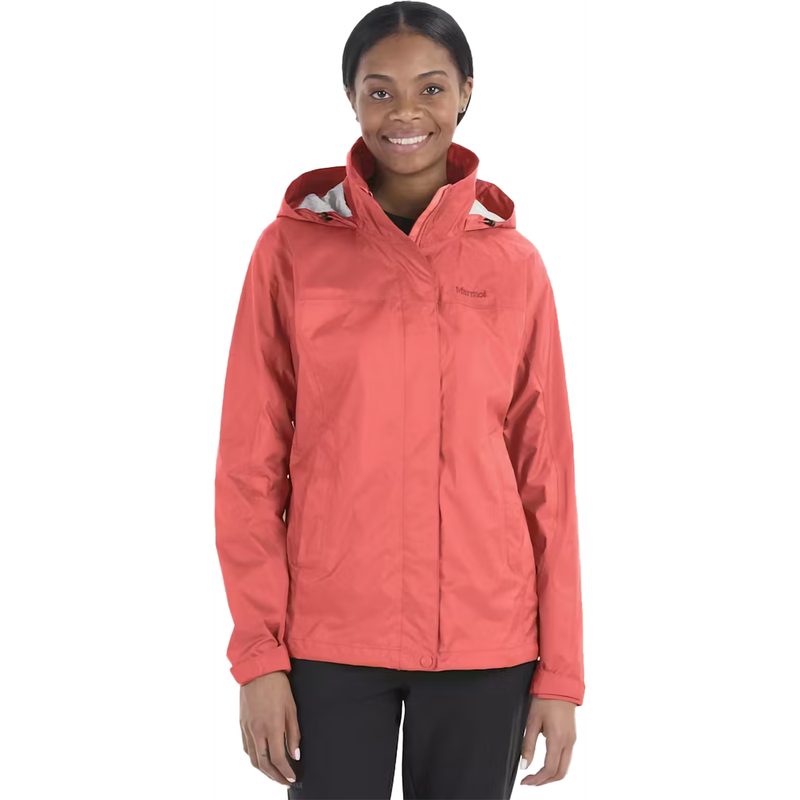
An inexpensive, light rain shell with pit zips and a hood that rolls into the collar. People pick it as an affordable, packable jacket for everyday rain and casual hikes.
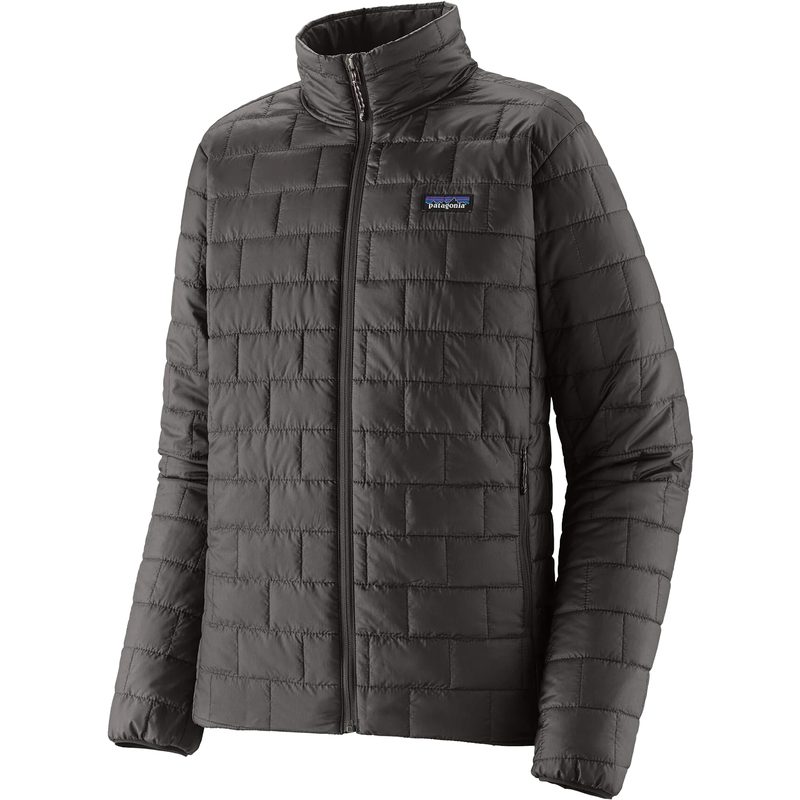
A light synthetic insulated jacket with 60 g PrimaLoft fill that packs into its own chest pocket. People pick it because it stays warm when damp and works on the trail and around town.
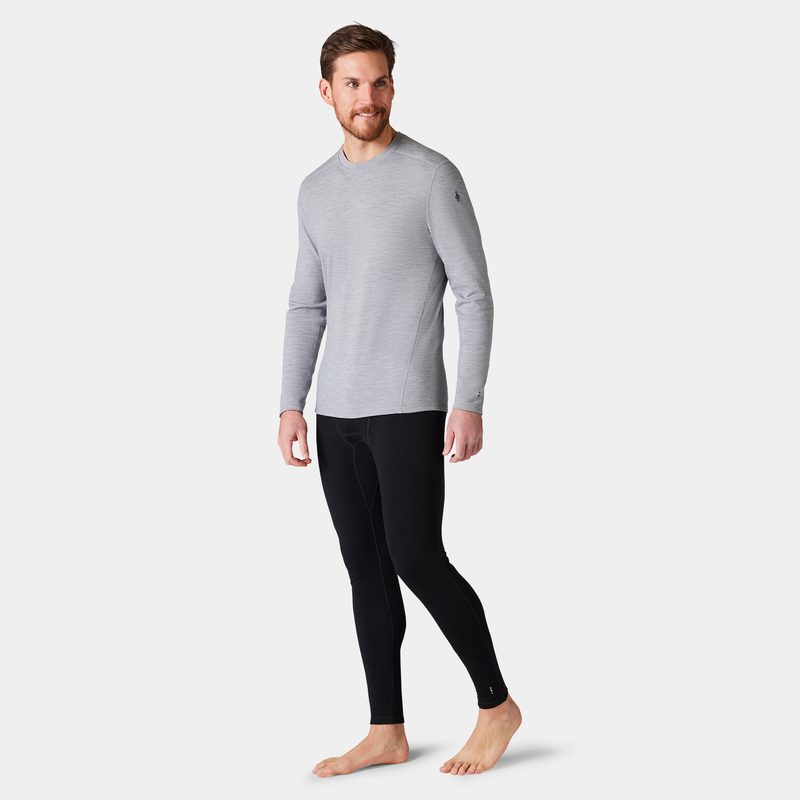
A midweight, 100% merino wool long-sleeve base layer with a slim fit and flatlock seams. People pick it for warmth on cold mornings and because it can be worn for days without smelling.
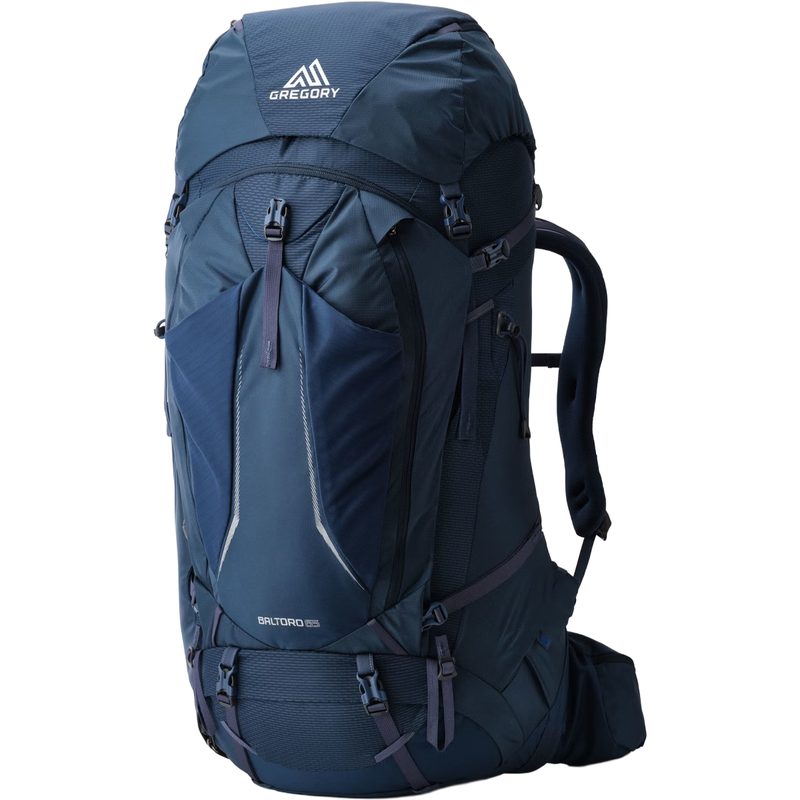
A comfort-focused 65-liter pack for heavy backcountry loads. Gregory reworked its suspension for the current model, and people pick it when they want a pack that moves with them under weight.
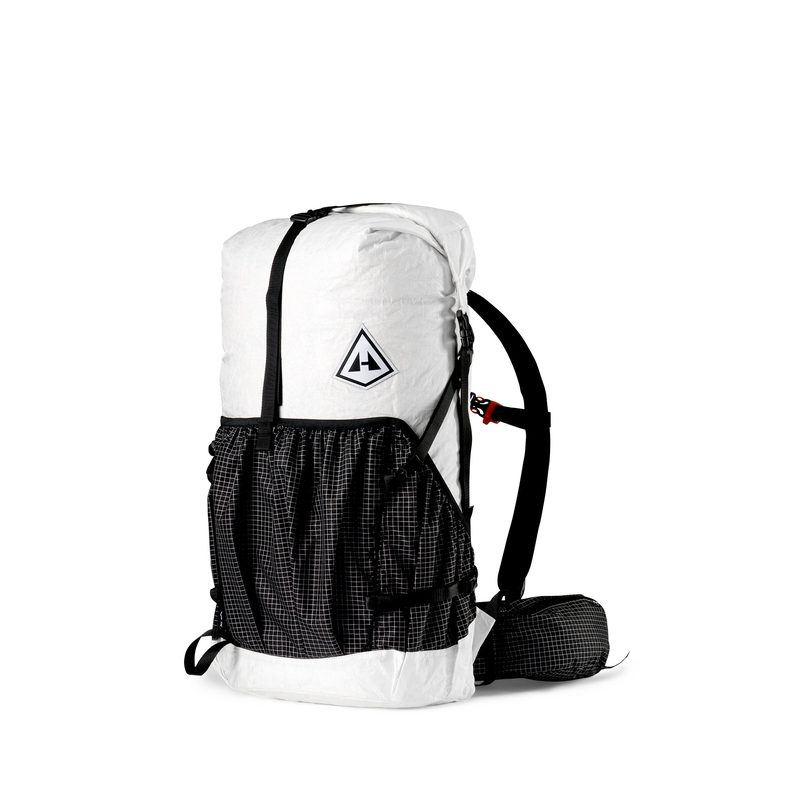
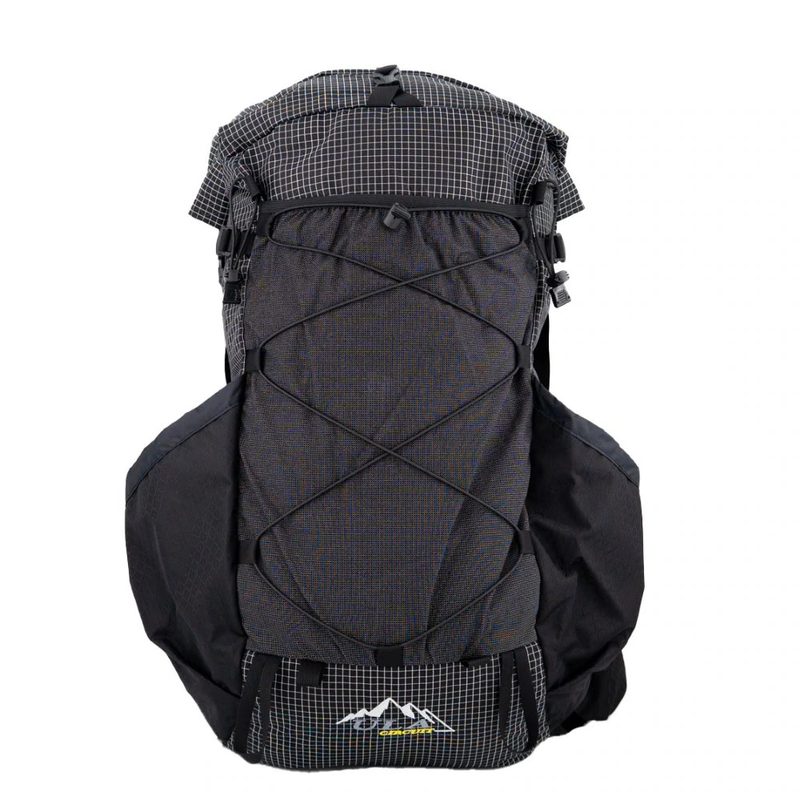
A light, roll-top Dyneema pack with solid outside pockets, sold in 40, 55 and 70 liter sizes. Thru-hikers and off-trail hikers pick it because it sheds water and shrugs off rock and brush at a low weight.
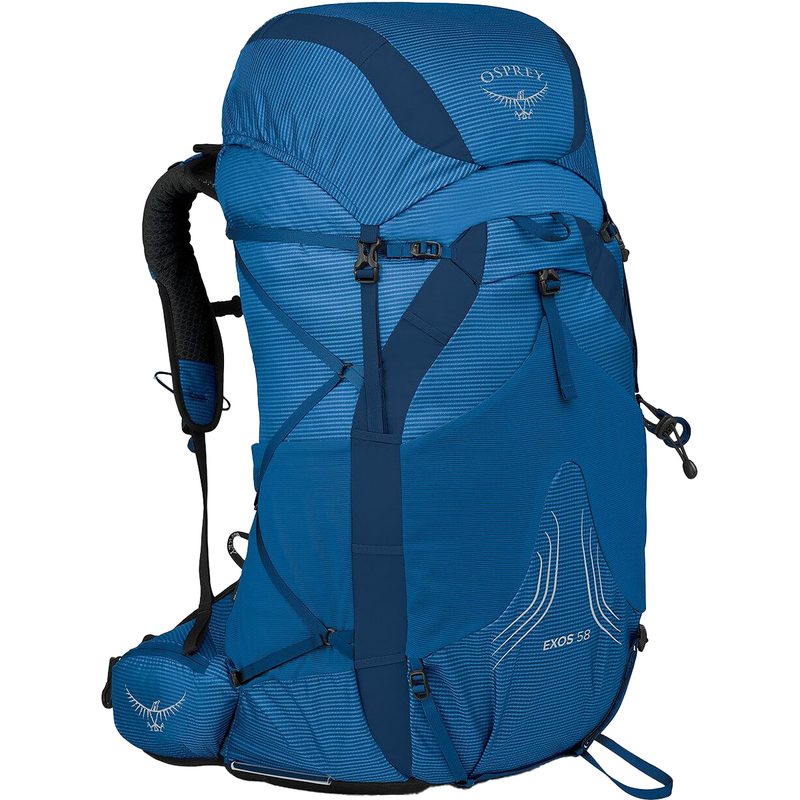
A light framed backpacking pack with a suspended mesh back that keeps air moving between you and the load. People pick it for multi-day trips when they want comfort and good ventilation at under 3 pounds, with the option to strip parts off to save weight.
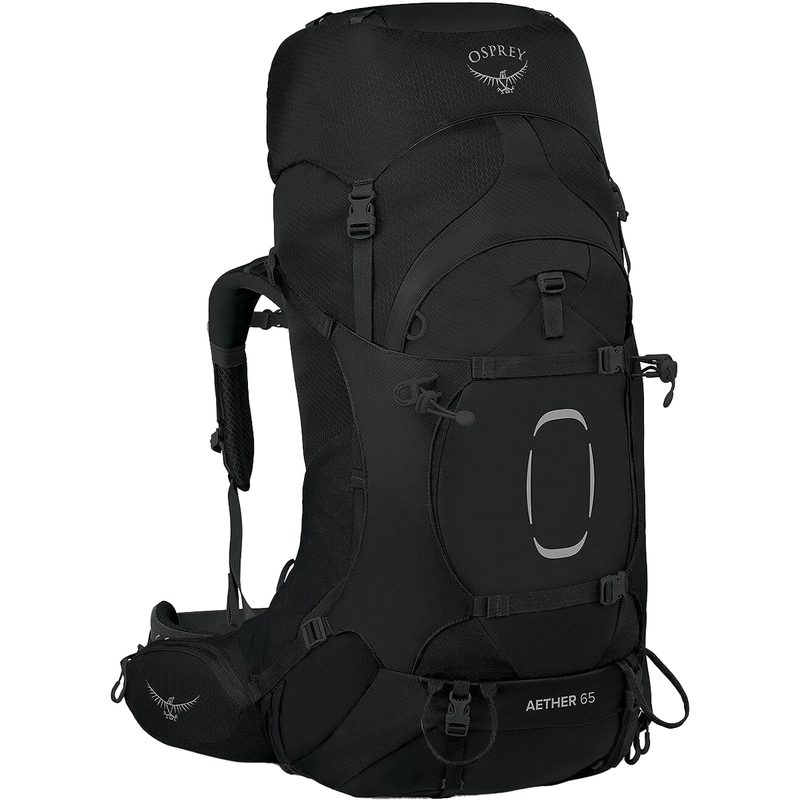
A 65-liter backpacking pack built to carry heavy loads on long trips. People pick it for its adjustable fit and a harness that gets more comfortable as the load goes up.
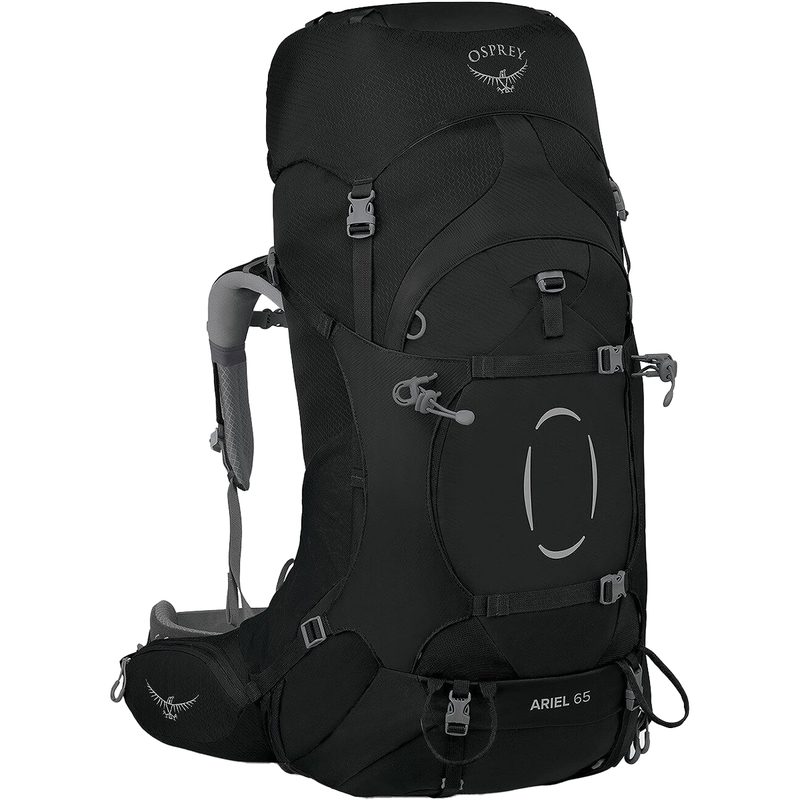
The women's-fit version of Osprey's big load-carrying pack. It is chosen for multi-day trips where comfort with a heavy load matters more than shaving weight.
A 68-liter roll-top pack that weighs a little over two pounds and fits a bear canister upright. It is one of the most common packs on long trails, picked for its roomy pockets and custom sizing.
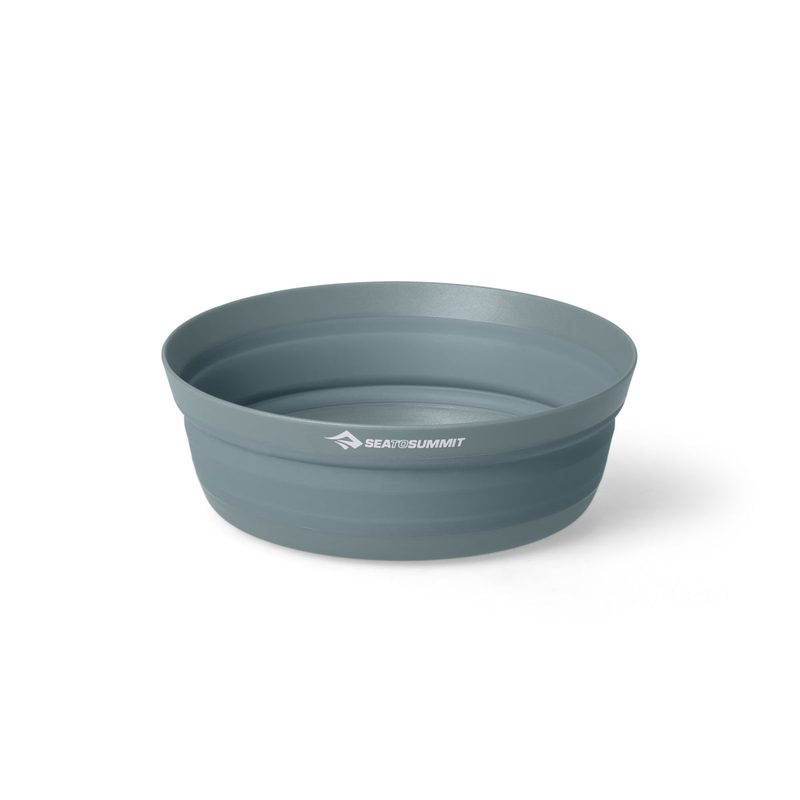
A new-for-2026 collapsible camp bowl with a stiff base and rim, made to fold flat and nest with the rest of Sea to Summit's XLite kitchen line.
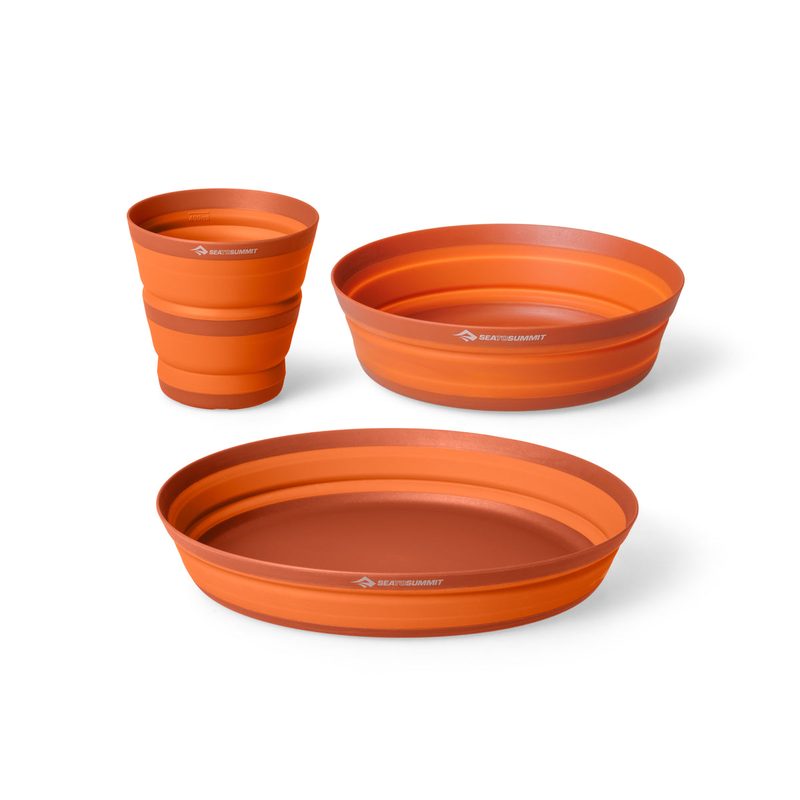
A one-person collapsible dish kit with a plate, bowl and mug that fold flat and stack in a zippered sack. Part of Sea to Summit's new 2026 XLite line.
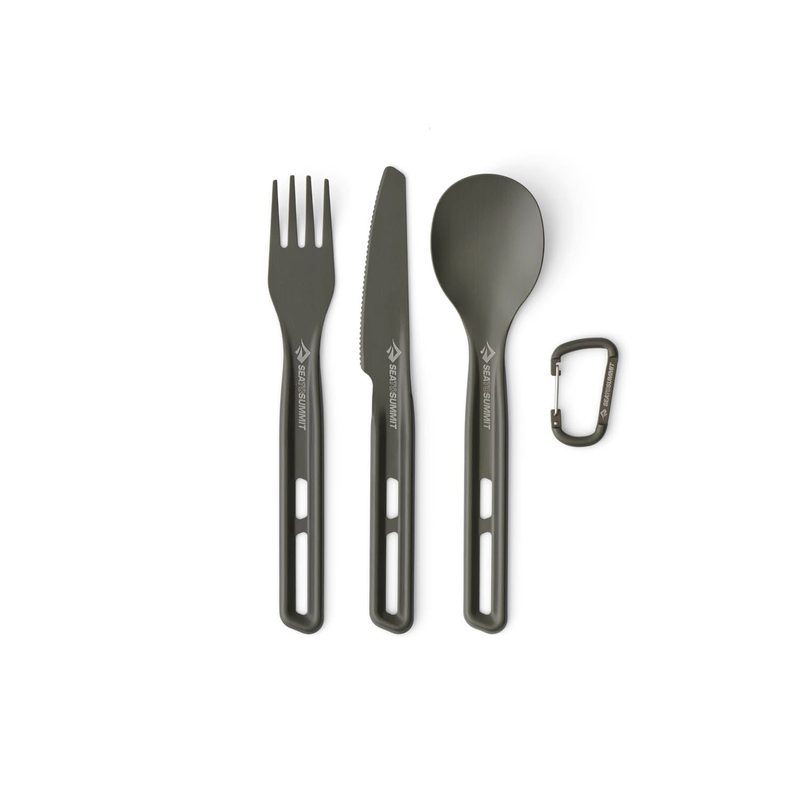
A light knife, fork and spoon set in hard-anodized aluminum that clips together with a mini carabiner. A step up from plastic camp utensils without the price of titanium.
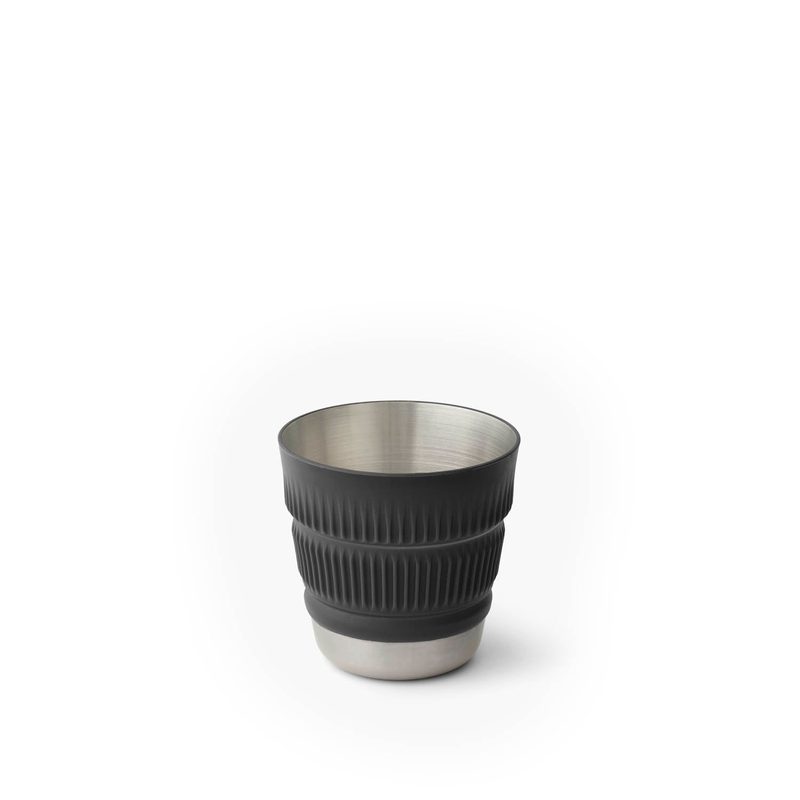
A 475 ml camp mug with a stainless steel base and silicone walls that squash down to about an inch and a quarter tall. Good for coffee at camp when pack space is tight.
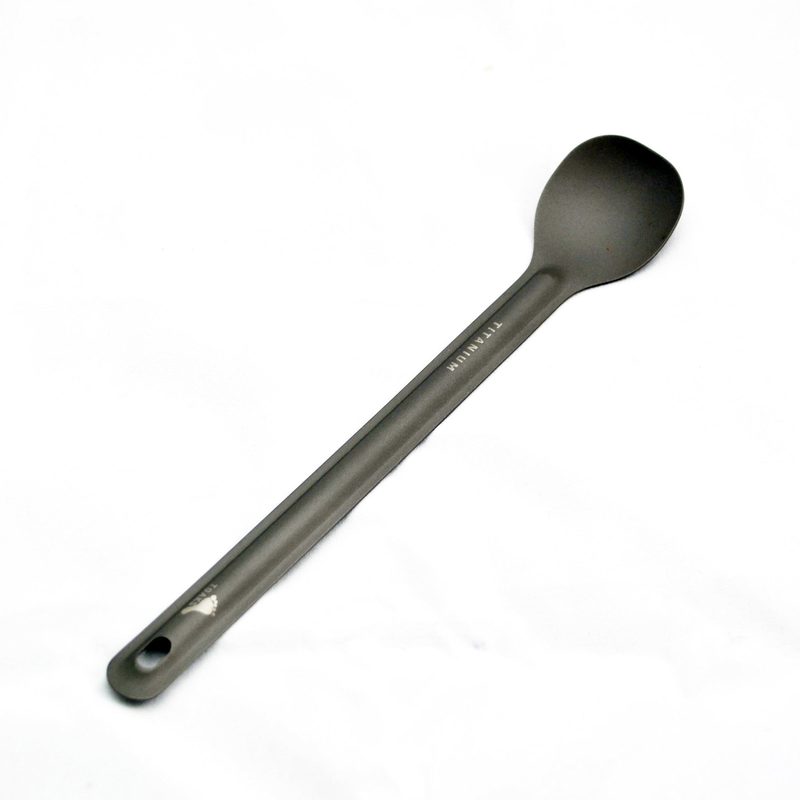
A long, light titanium spoon made to reach the bottom of a freeze-dried meal bag or a tall pot. People pick it because it is cheap, nearly unbreakable and keeps their knuckles out of the food.
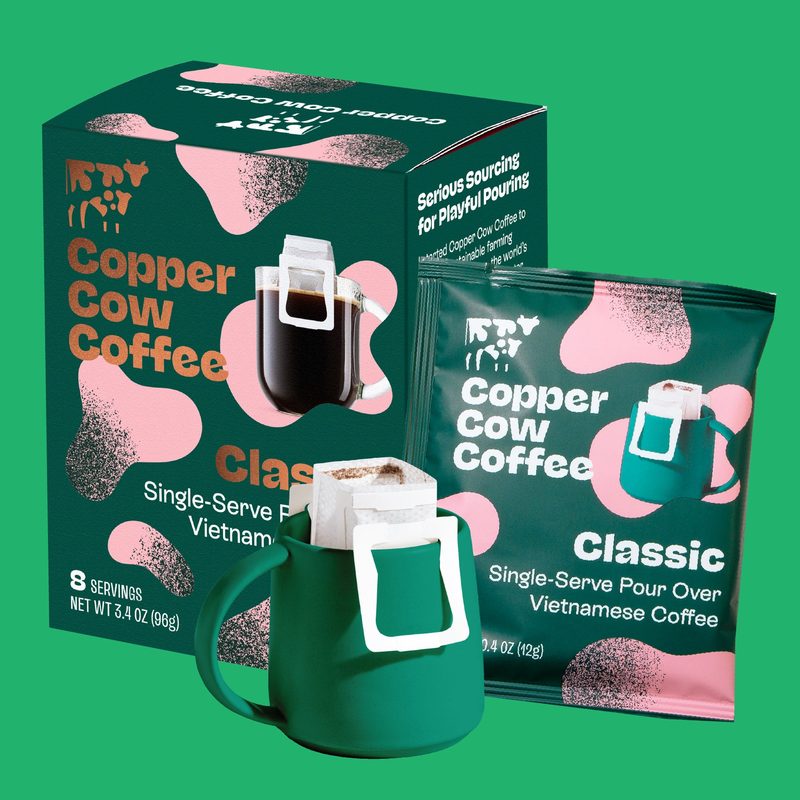
Single-serve Vietnamese coffee packets with a built-in paper filter that hooks over your mug. People pick them for real brewed coffee at camp with no press, cone or cleanup, just hot water.
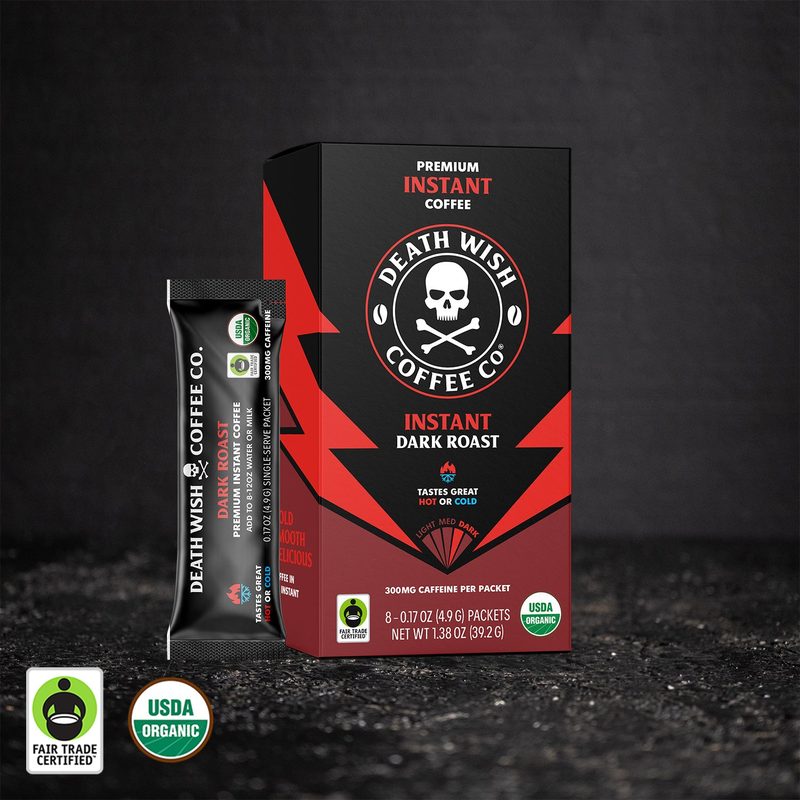
Single-serve packets of dark roast instant coffee that mix with hot or cold water. People pick it for a very strong caffeine hit in a flat packet that weighs almost nothing in a pack.
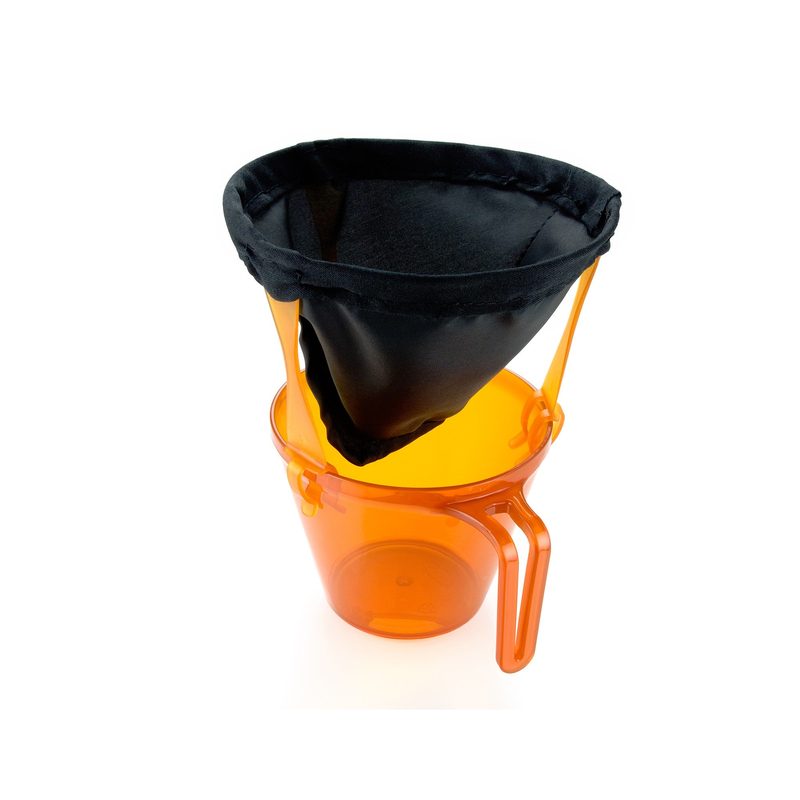
A fold-flat nylon mesh pour-over cone with three clip-on legs that sit on top of your mug. People pick it because it brews real ground coffee for less than half an ounce and about eleven dollars.
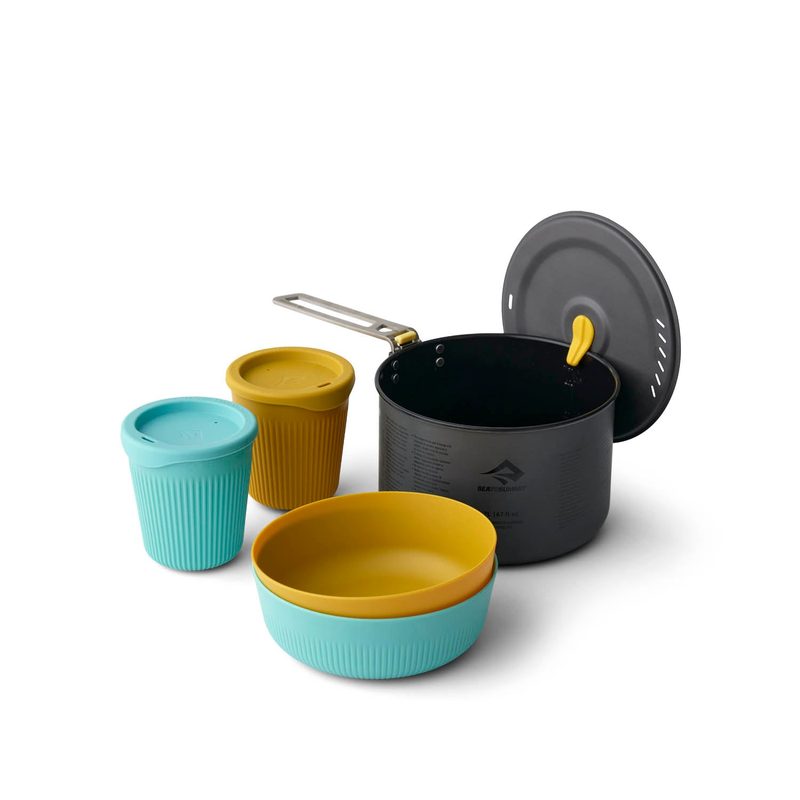
A two-person cook kit built around a 2-liter non-stick aluminum pot, with two bowls and two cups that nest inside. A tidy way to cook and eat for two from one pot.
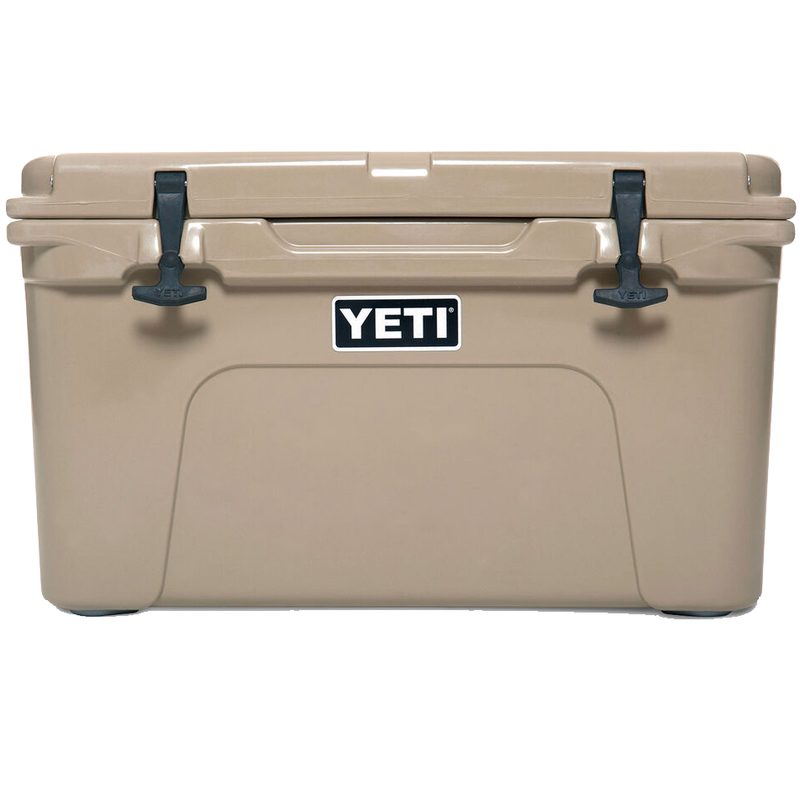
A rotomolded hard cooler with thick insulation and a gasketed lid. People pick it for long ice life and toughness on road trips and at camp.
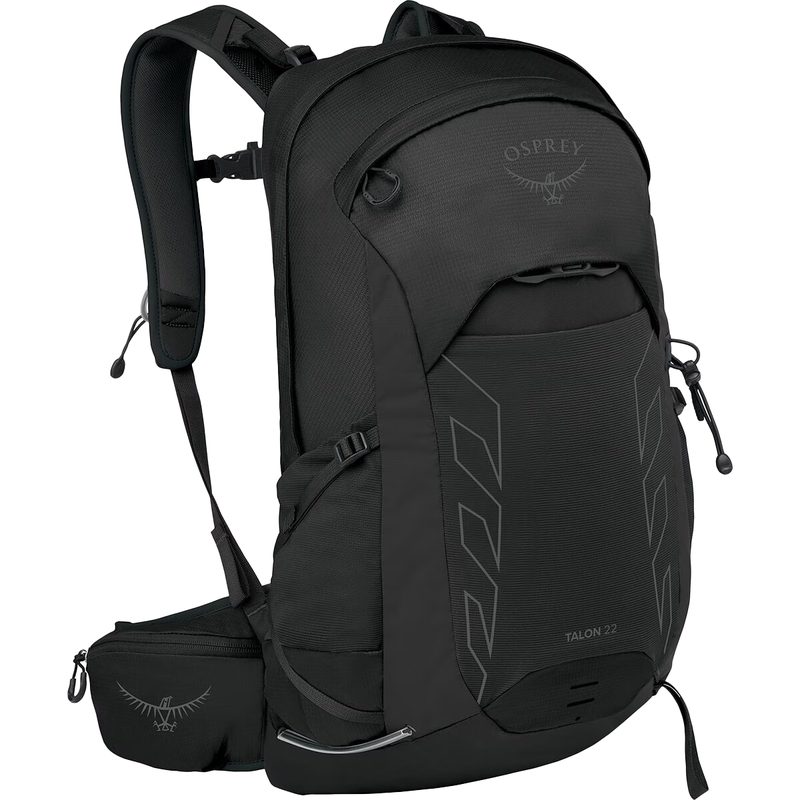
A 22-liter framed daypack with a padded hipbelt and adjustable torso. Hikers pick it for long days when they want a small pack that rides close and stays put.
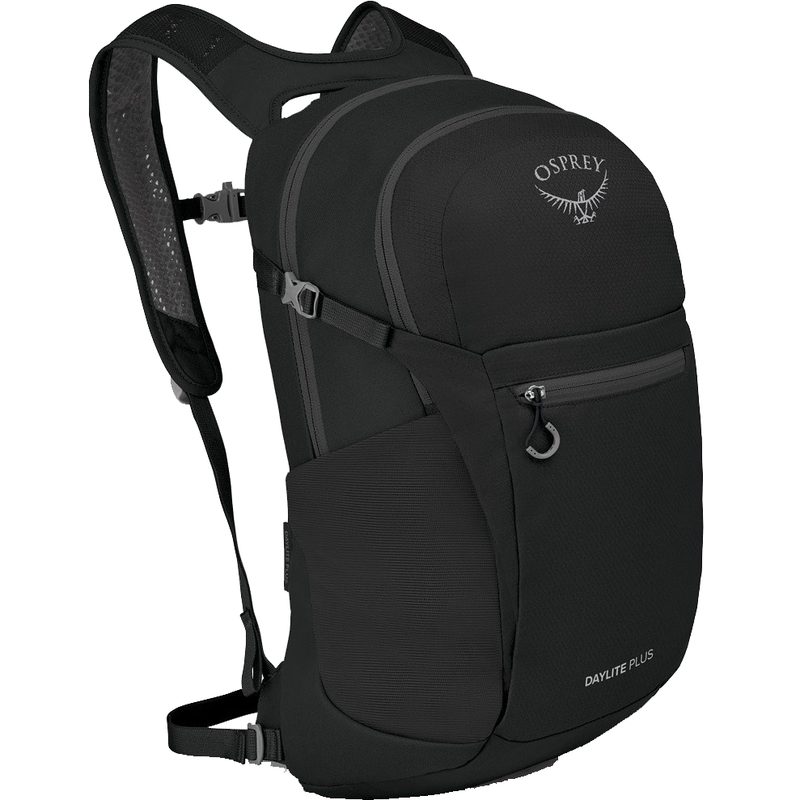
A simple 20-liter daypack that works for short hikes, travel days and errands. People pick it because it is light, inexpensive and comfortable for everyday loads.
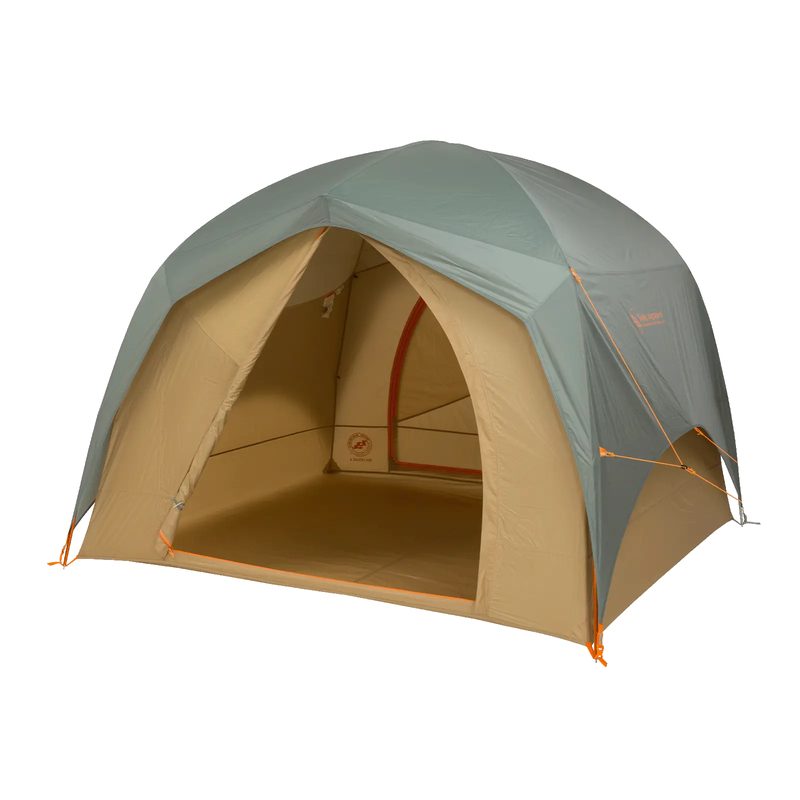
A six-person car camping tent with near-vertical walls and a peak tall enough to stand in. People pick it for livable space and an easy setup.
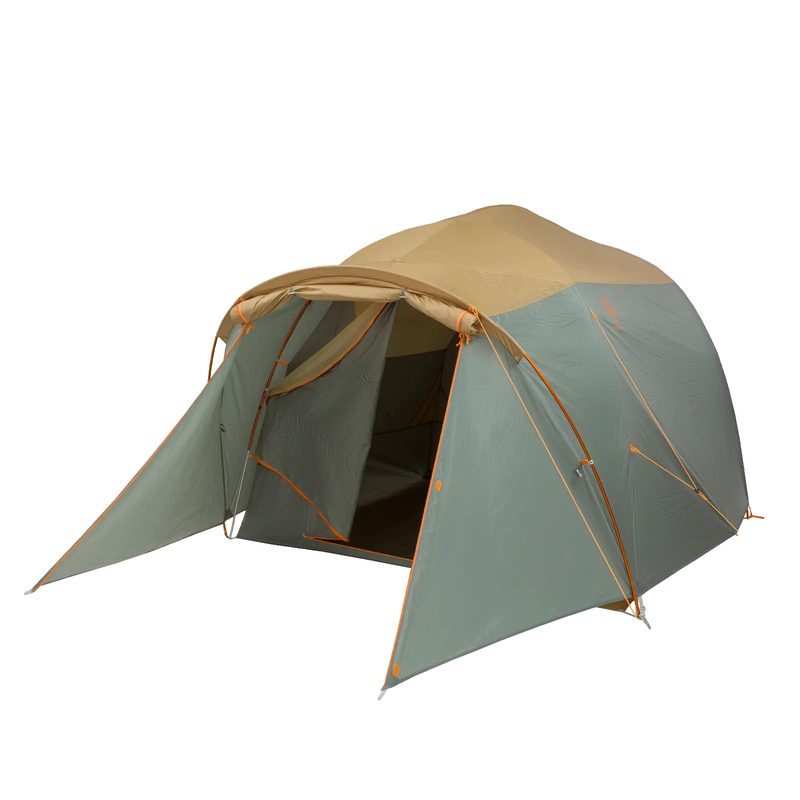
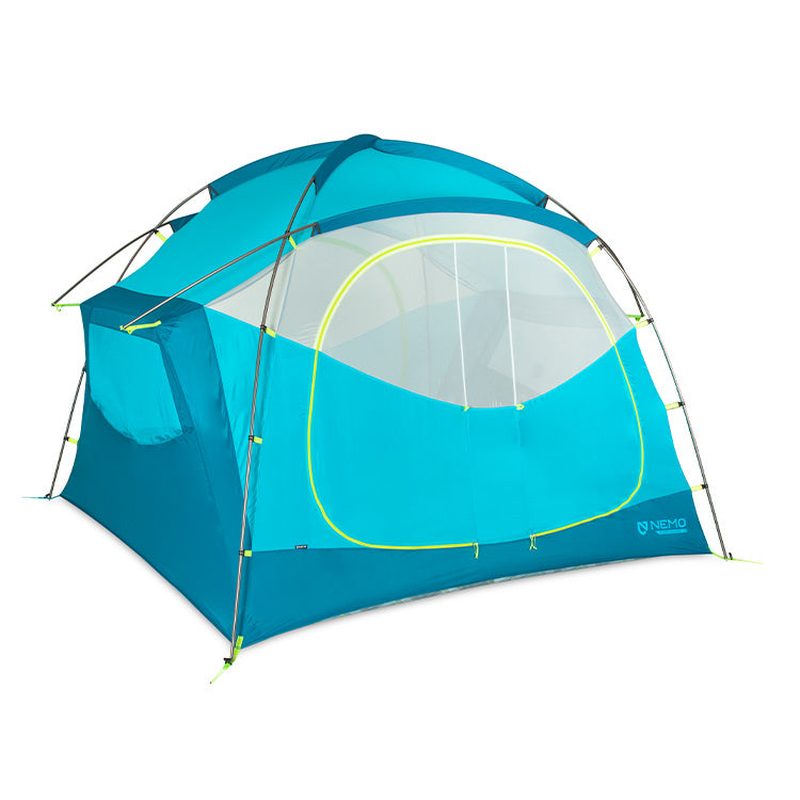
A four-person camping tent with a very large front vestibule that works as a covered porch. People pick it for that extra living space and the option to pitch the fly alone as a sun shelter.
A large six-person dome tent for car camping at a moderate price. People pick it for floor space, standing height and a quick, simple setup.
A tall, freestanding car-camping tent sold in 4-person and 6-person sizes. Families pick it for standing room, two big doors and a setup one person can manage.
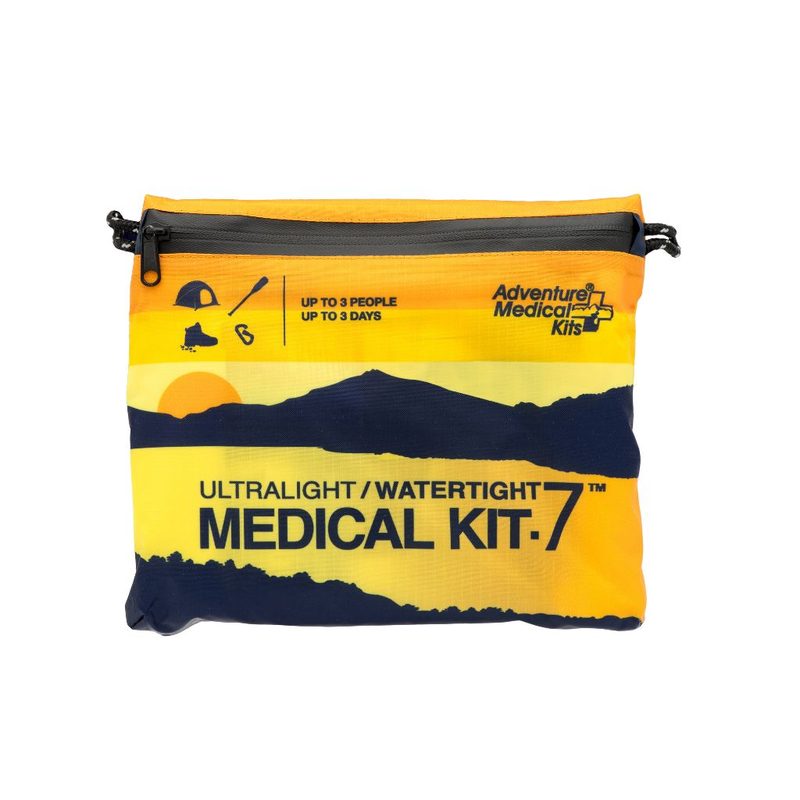
A small first-aid kit with a waterproof inner bag inside a water-resistant outer pouch. People pick it for day trips and short overnights where a dry kit matters, like paddling.
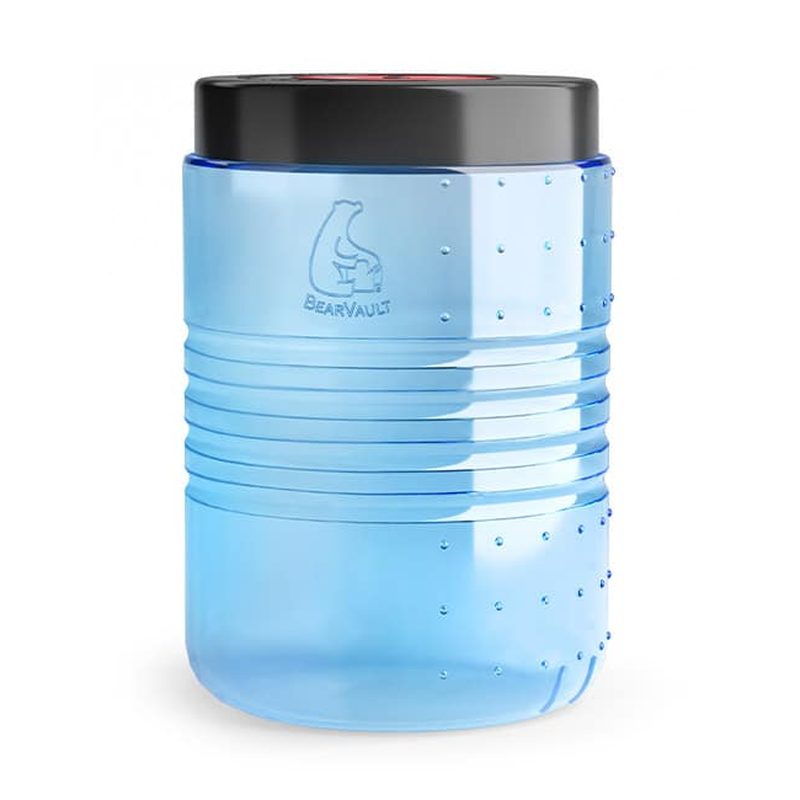
A large, clear, hard-sided bear canister with a tool-free screw lid. People pick it for longer trips in bear country, and for parks that require a canister, because it holds a lot of food for its weight.
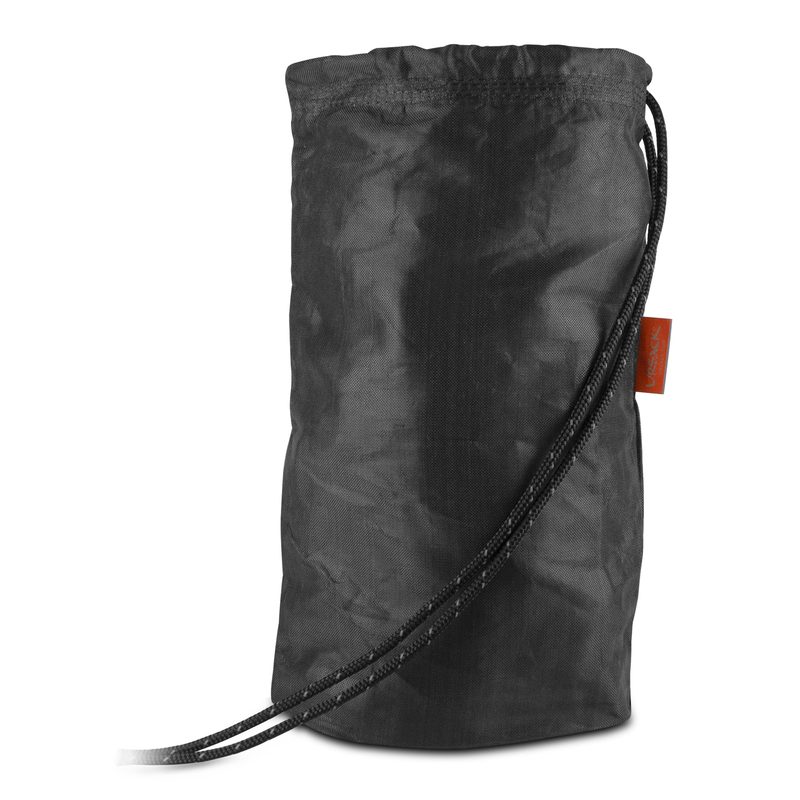
A soft, bear-resistant food sack made of tightly woven UHMWPE fabric that you tie to a tree instead of hanging or carrying a hard canister. People pick it because it is far lighter and easier to pack than a canister.
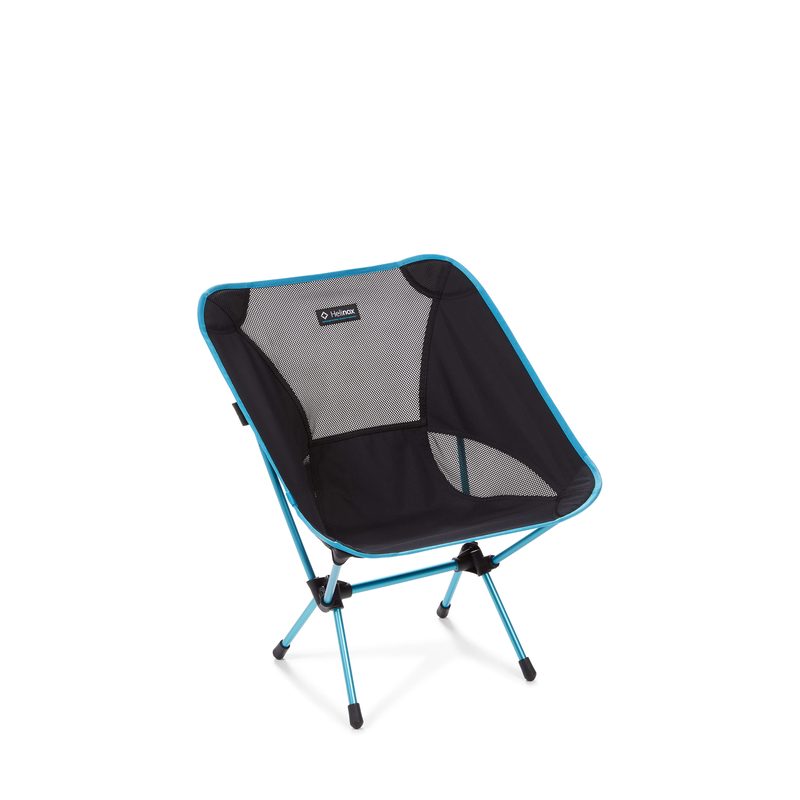
A low, packable camp chair with a shock-corded aluminum frame and a fabric sling, packing into a 14 x 4.5 x 4.5 in bag. People pick it because it's comfortable for its weight and sets up in a minute.
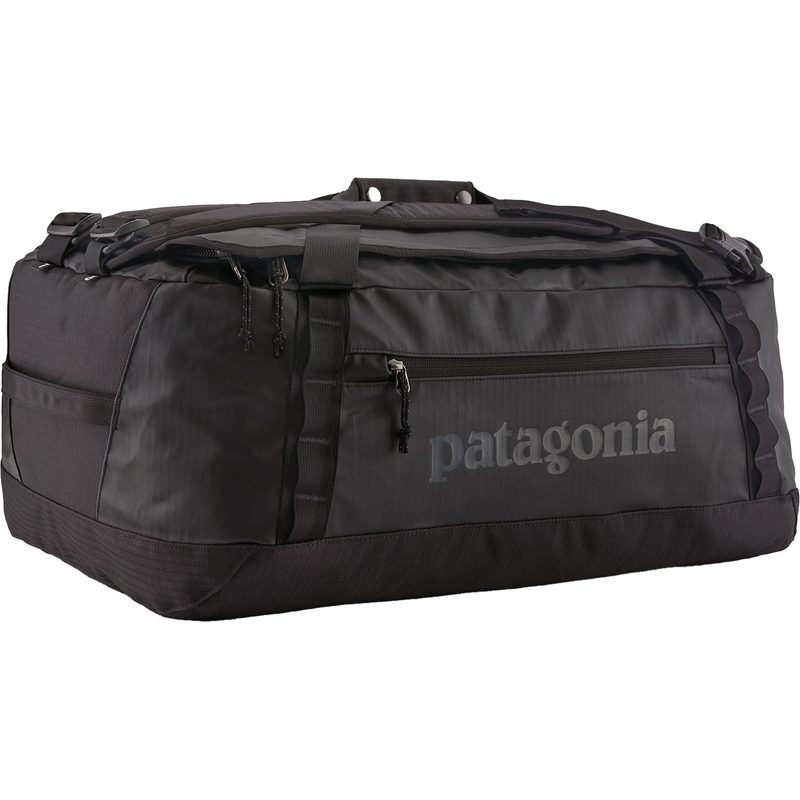
A weather-resistant 55-liter duffel with backpack straps that packs into its own pocket. It is a long-standing favorite for road trips, flights and gear hauling.
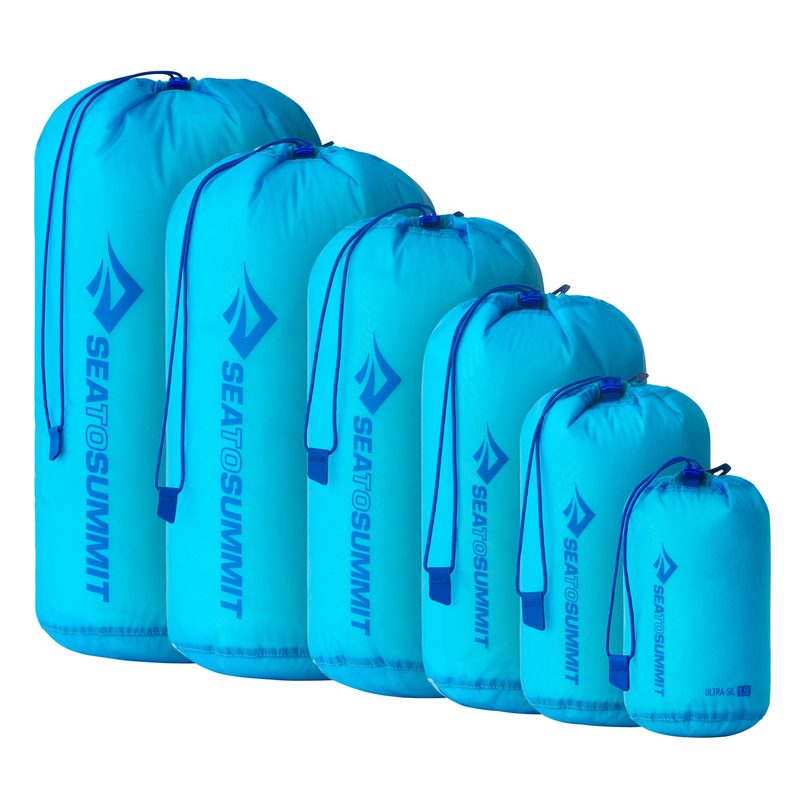
Very light drawcord sacks for sorting clothes, food and small gear inside a pack. They come in several sizes and colors so you can find things fast.
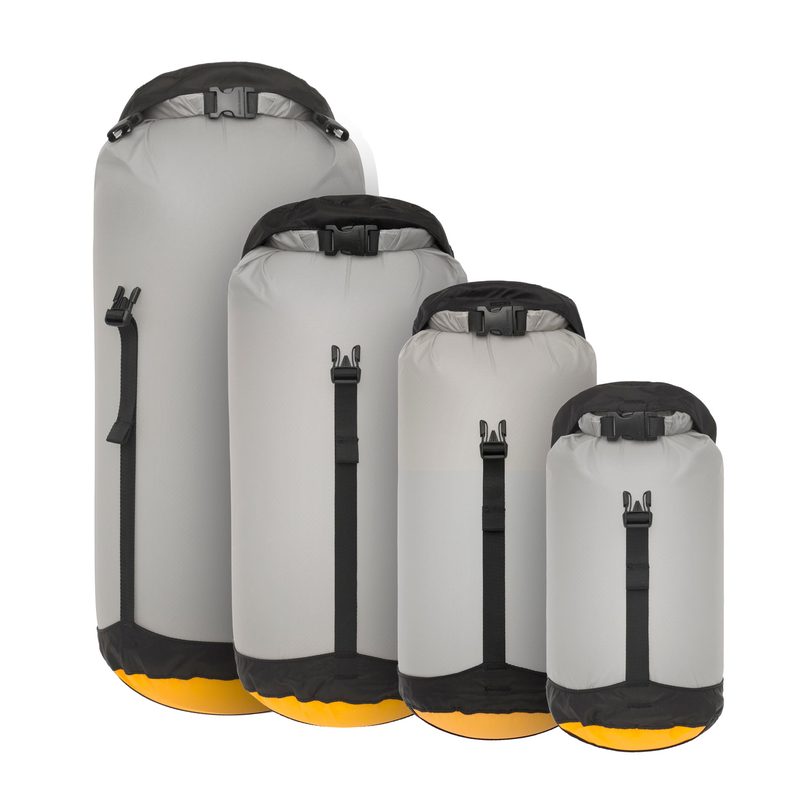
A light roll-top dry bag with compression straps and an air-permeable base, so you can squeeze a sleeping bag or clothes small without a purge valve. Made for use inside a pack.
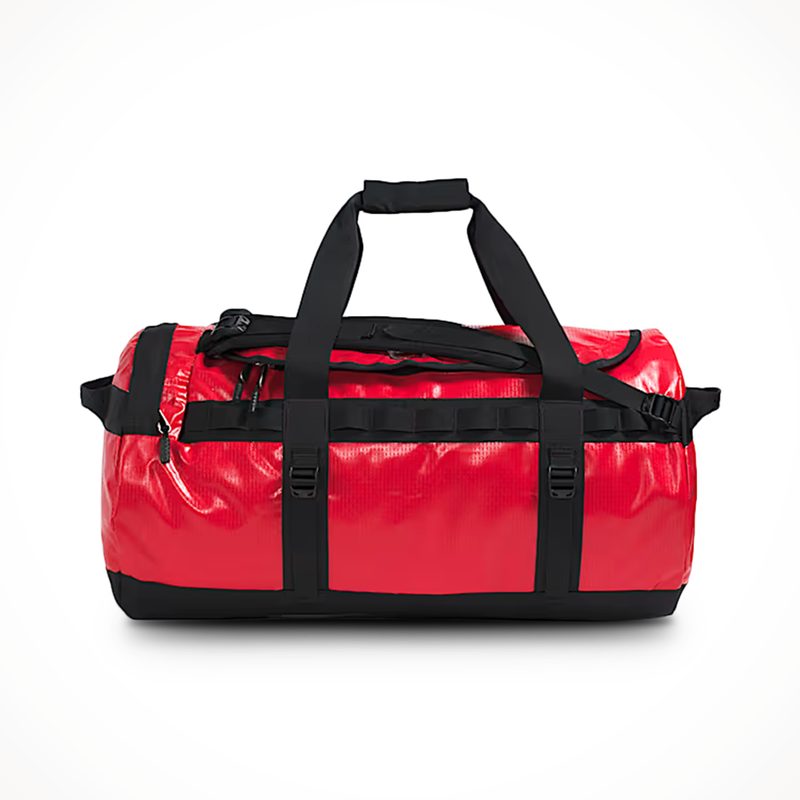
A heavy, coated duffel built to haul gear on road trips and flights. The medium size holds about 71 liters and carries by hand or on the back.
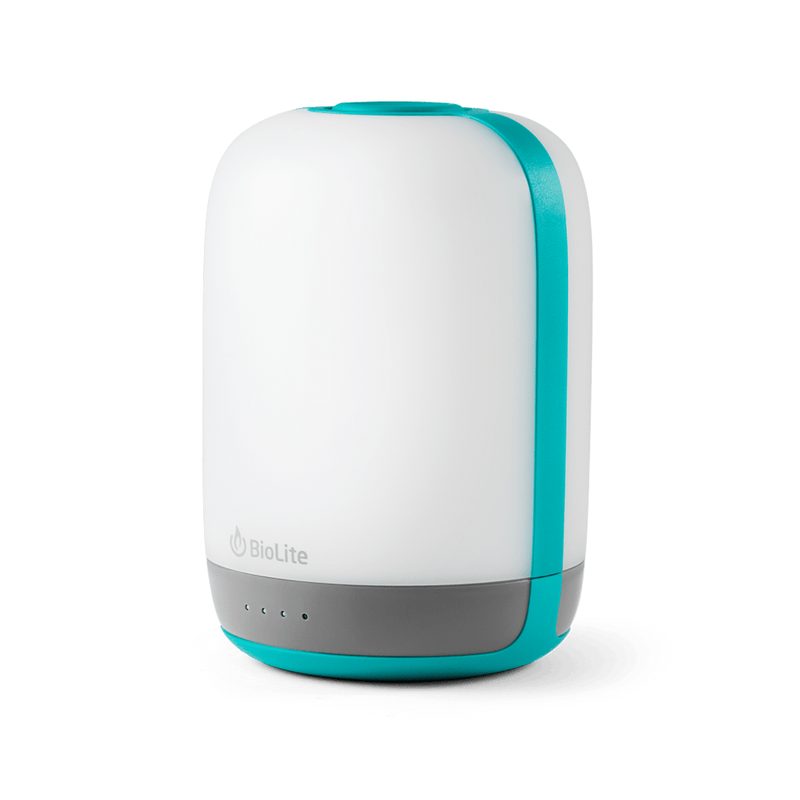
A rechargeable 500-lumen camp lantern with warm and cool white light, color modes, and a USB port that can charge a phone. Families like it for lighting a tent or picnic table without harsh glare.
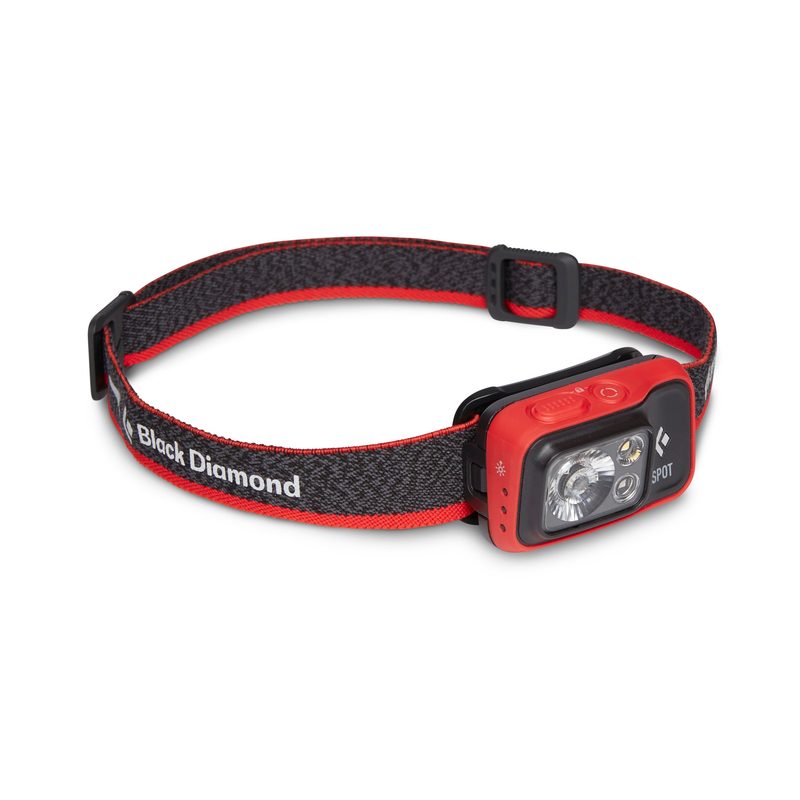
A small, waterproof headlamp that runs on three AAA batteries or Black Diamond's rechargeable BD 1500 pack. People pick it because it is bright enough for camp and trail, runs a long time on low, and costs less than most rechargeable lamps.
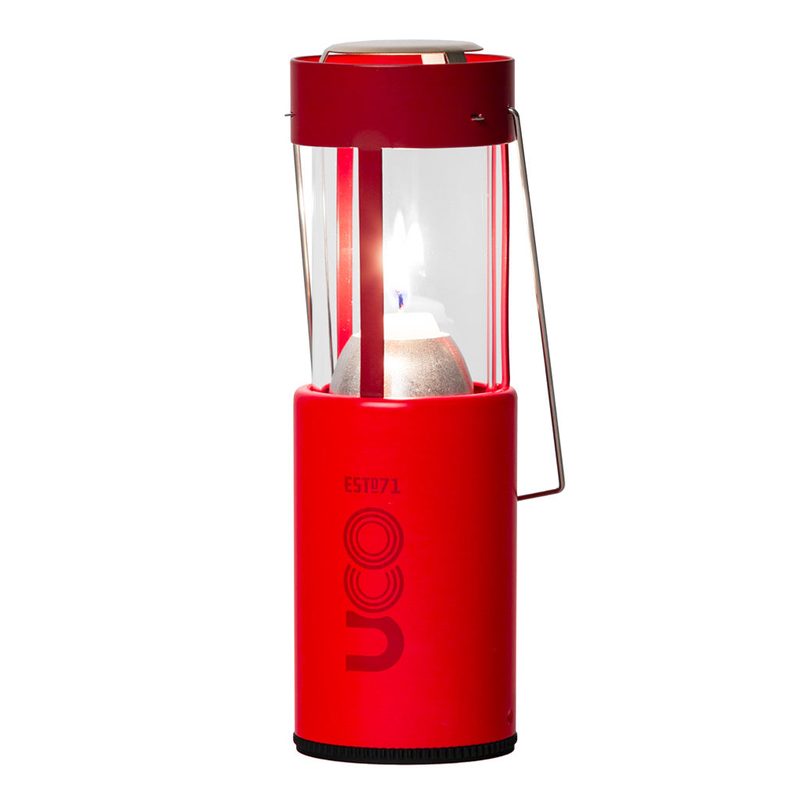
A small collapsible aluminum lantern that burns one UCO candle behind a glass chimney, with a spring that pushes the candle up as it burns. People pick it for quiet, soft light at camp, a little warmth on cold nights, and light that needs no batteries.
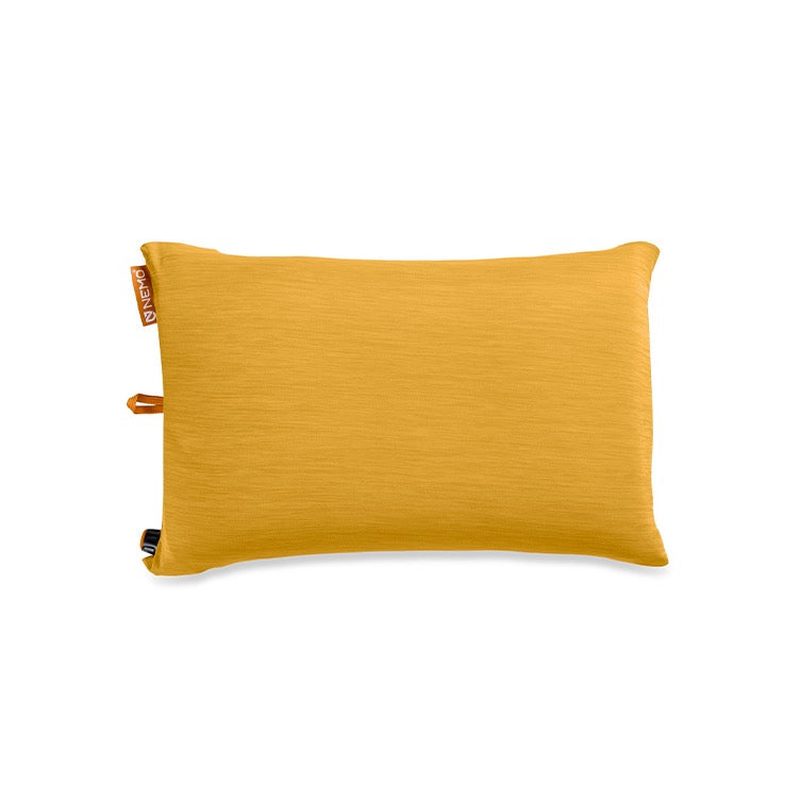
An air pillow topped with a layer of foam and a soft, washable cover. People pick it because it feels closer to a home pillow than most camp pillows.
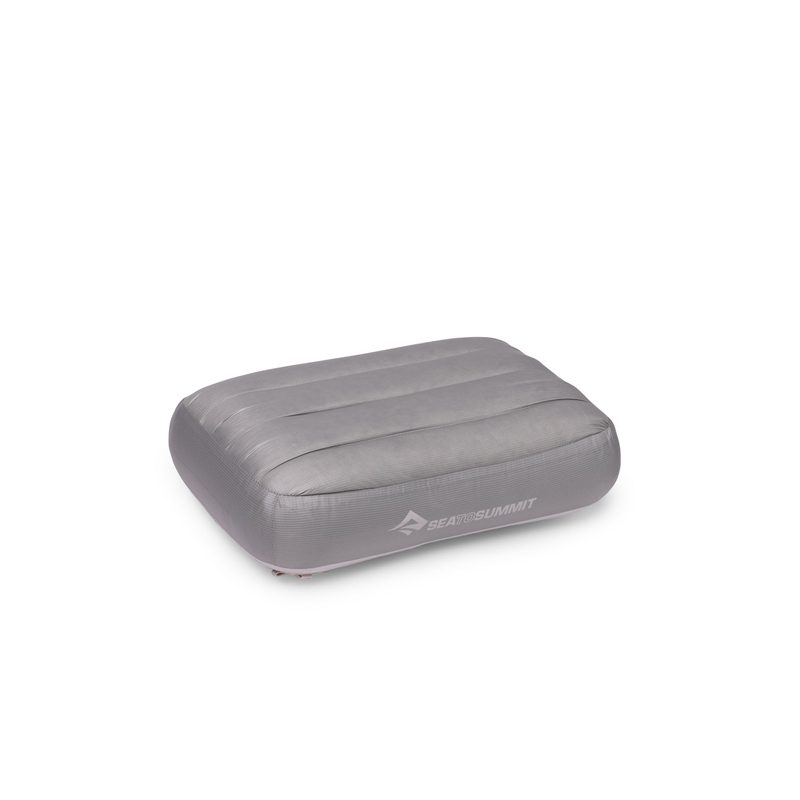
A small inflatable pillow with a thin layer of down on top. People pick it because it packs to the size of a fist and feels softer than a bare air pillow.
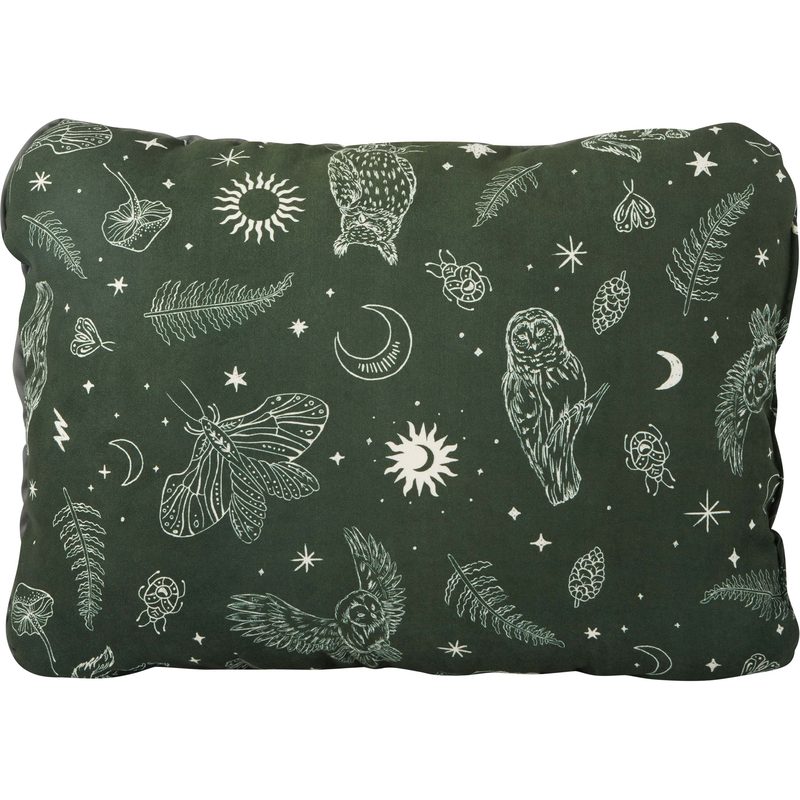
A foam camp pillow with a cinch cord that lets you make it firmer or softer. People pick it because there is nothing to inflate and nothing to pop.
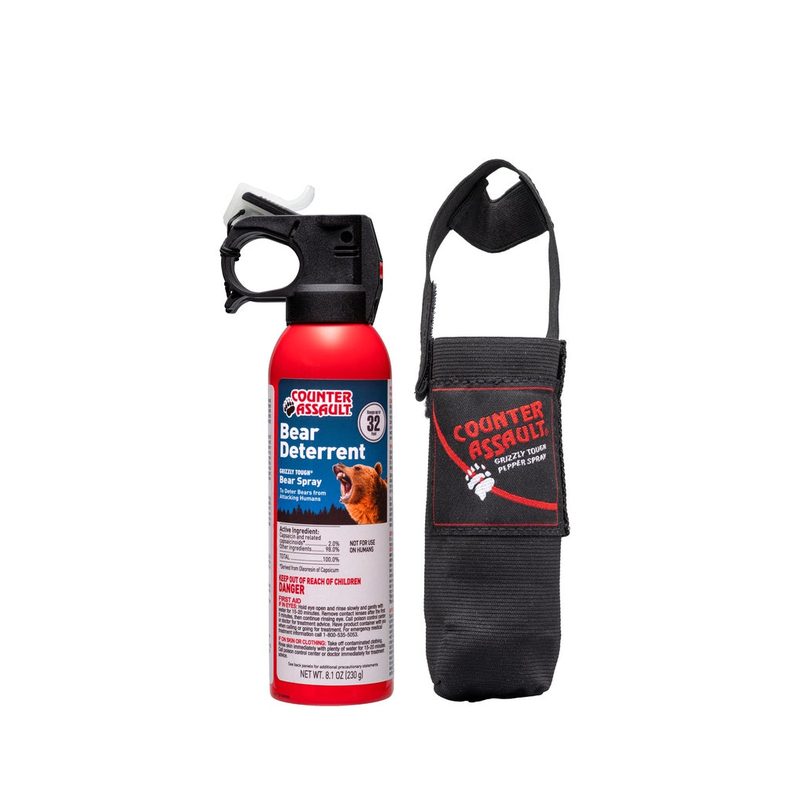
An EPA-registered bear deterrent spray from Counter Assault, sold here as the 8.1 oz canister with a belt holster. People carry it in bear country as a backup they can reach in a hurry.
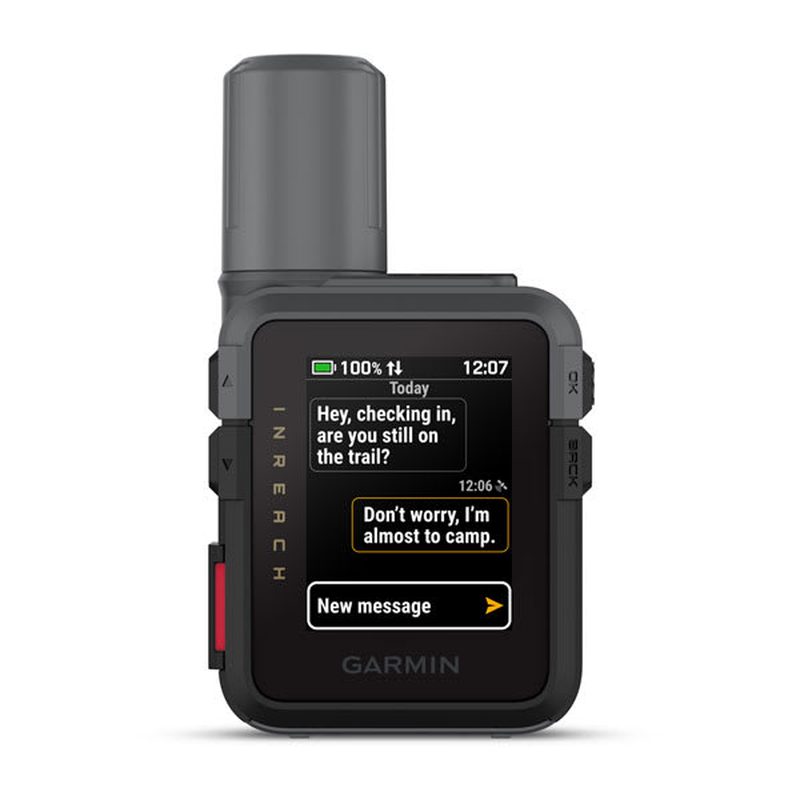
A pocket-size satellite communicator for two-way texting and SOS where there is no cell signal. The Mini 3 adds a color touchscreen and a bigger battery over the Mini 2.
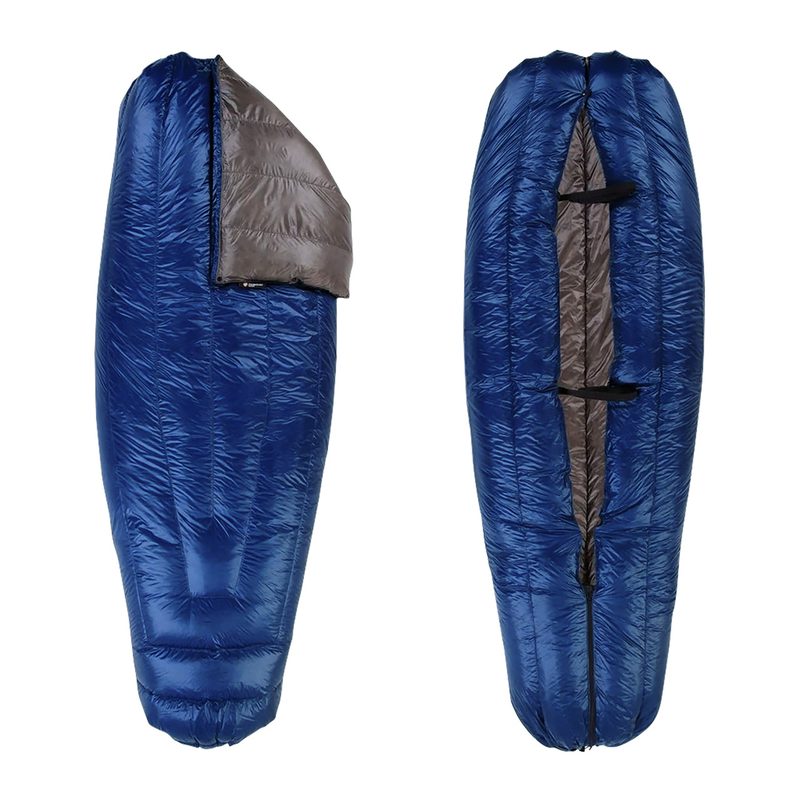
A down backpacking quilt that opens flat like a blanket and straps to your sleeping pad. People pick it to save weight and space over a mummy bag at a fair price.
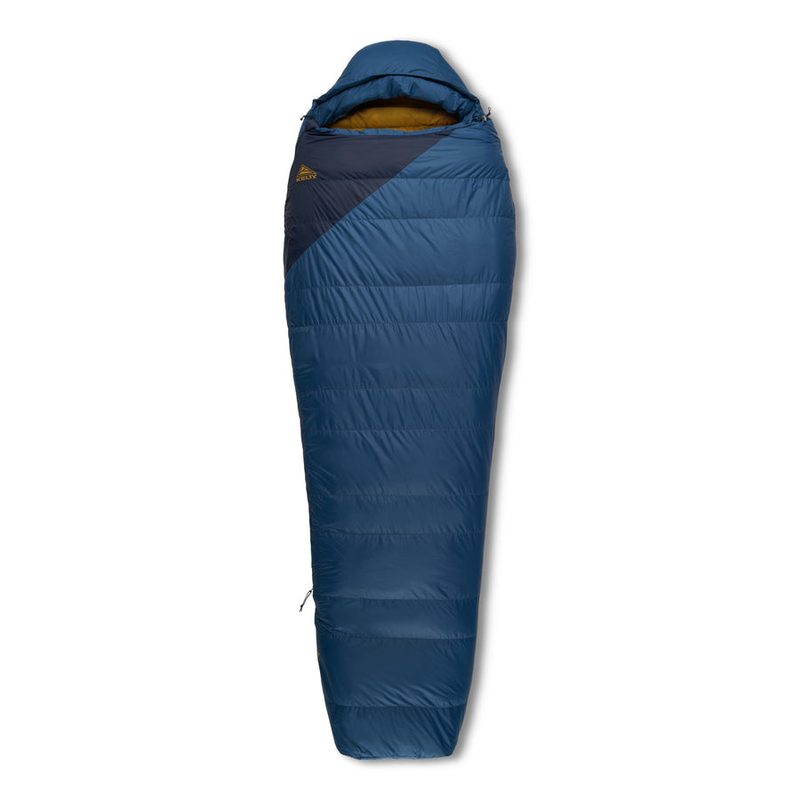
A 550-fill down mummy bag rated to 20°F, sold by Kelty as the Cosmic Down 20. People pick it because it is one of the least expensive real down bags, and it packs smaller than most synthetic bags at the same price.
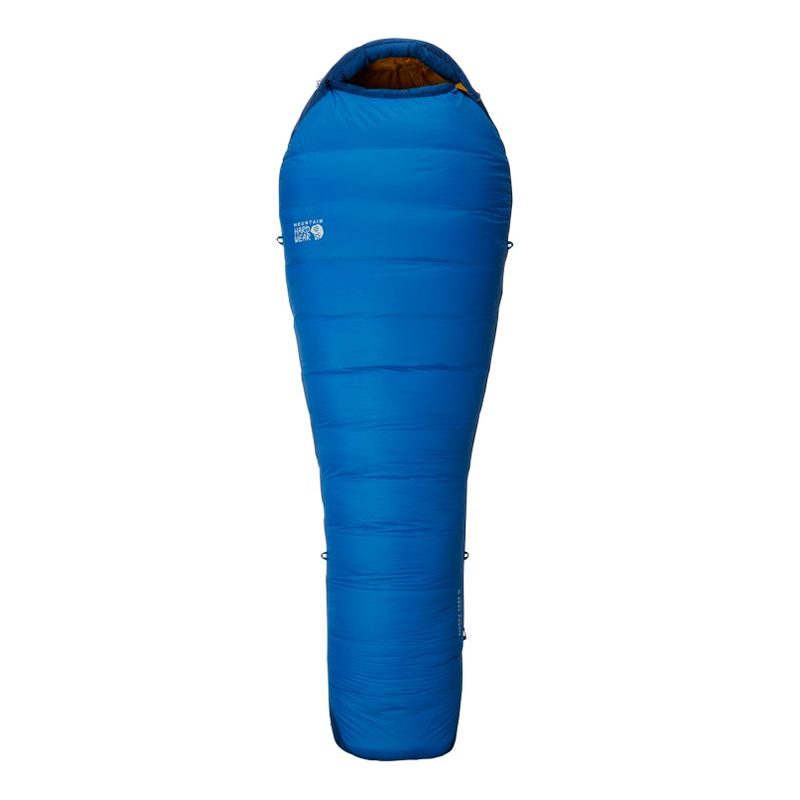
A 15-degree down mummy bag at a moderate price. People pick it as a first good down bag for cool backpacking and camping nights.
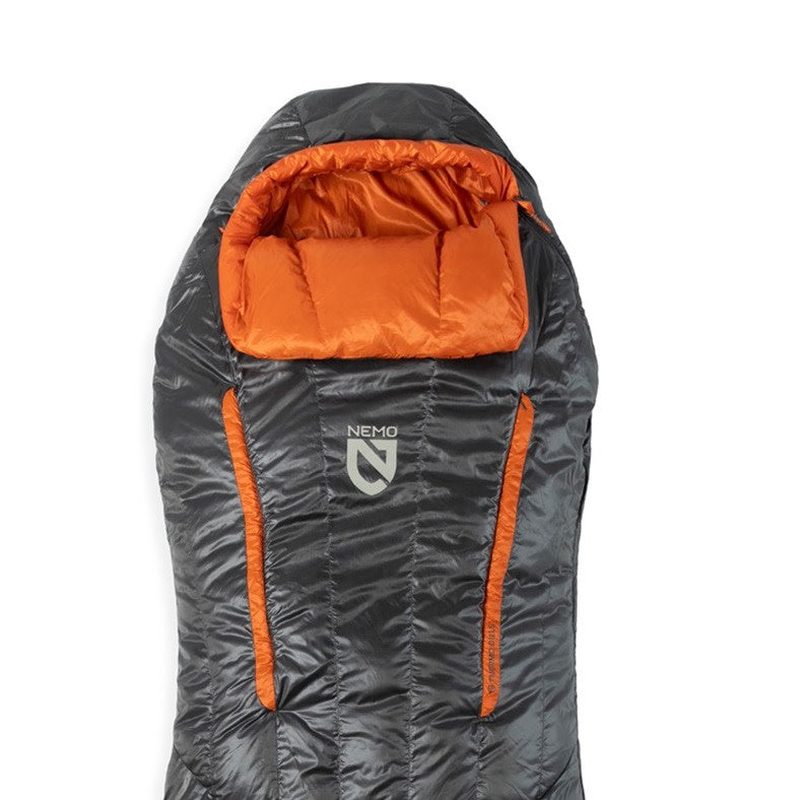
A down sleeping bag with NEMO's wide "spoon" shape, so side and stomach sleepers can bend their knees. People pick it for comfort and features over the lowest weight.
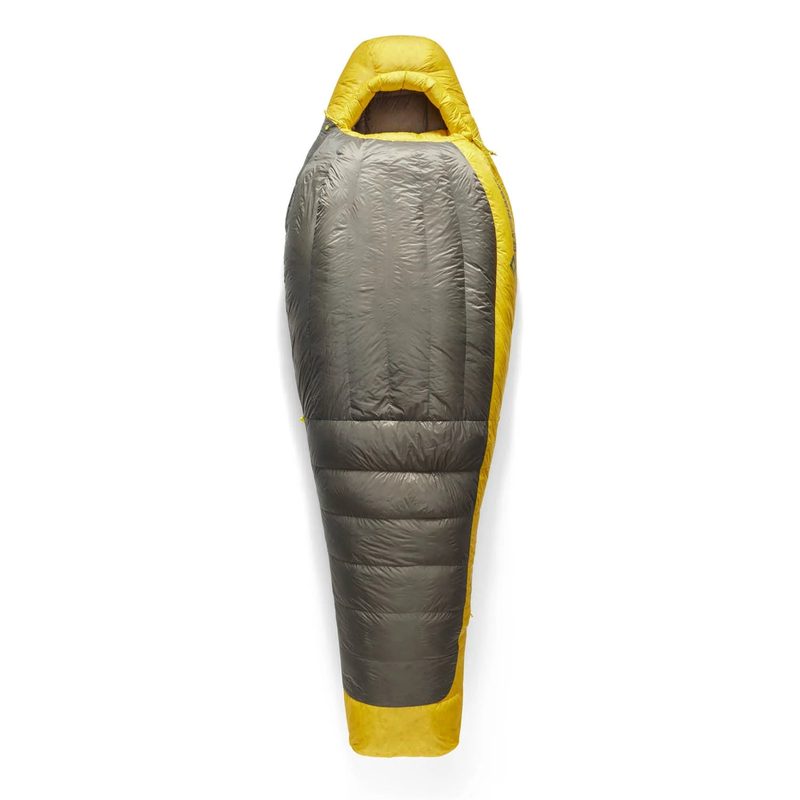
A very light down mummy bag that packs small for its warmth. People pick it for shoulder-season backpacking when weight and pack space matter most.
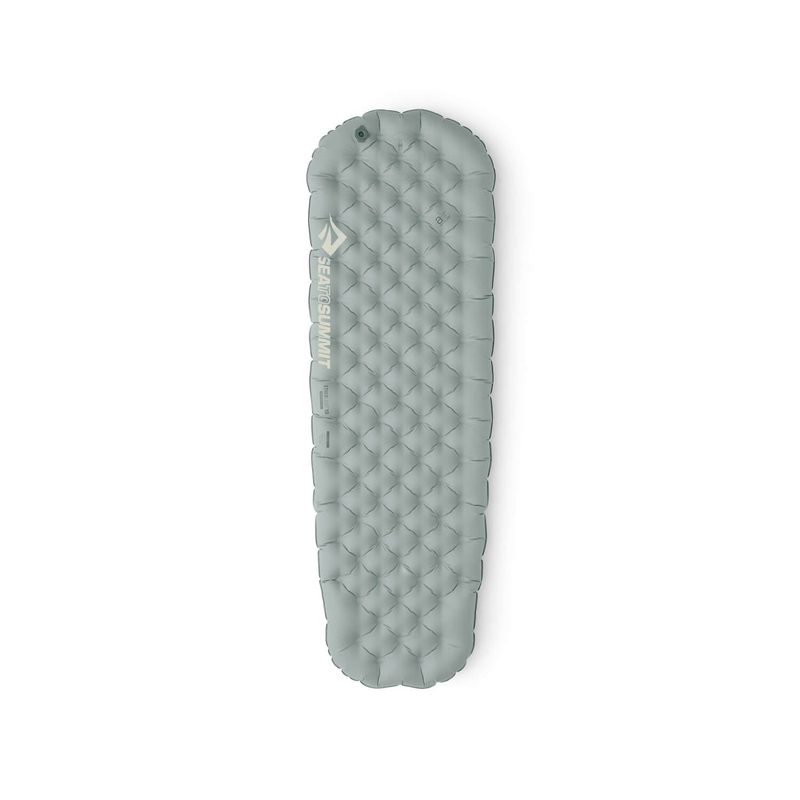
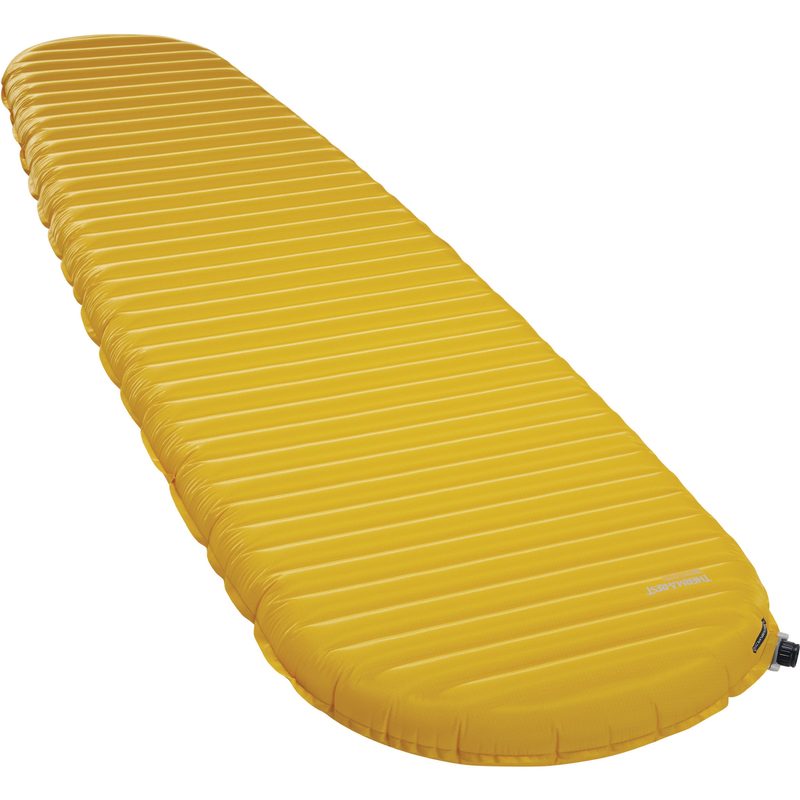
A 3.5-inch inflatable pad with an R-value of 5.4 that stays quiet when you roll over. People pick it for warm, comfortable sleep from spring into cold shoulder seasons.
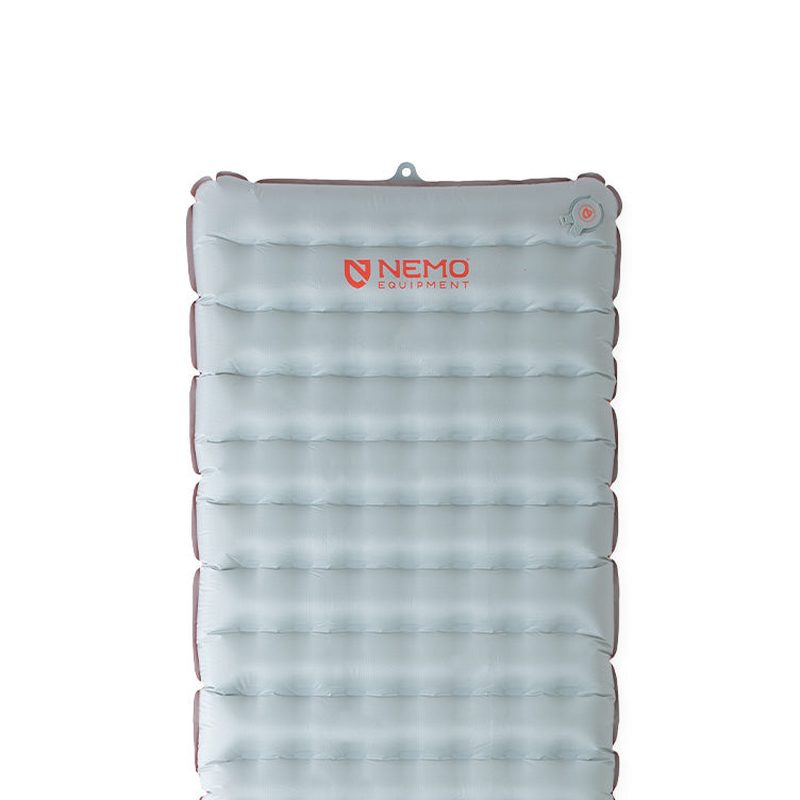
A 4-inch insulated air pad with an R-value of 4.1 and a cushy, cell-style surface. People pick it for comfort, especially side sleepers.
A 3-inch inflatable backpacking pad that weighs about 13 ounces and rolls up to the size of a water bottle. People pick it for a strong mix of warmth, comfort and low weight on trips where every ounce counts.
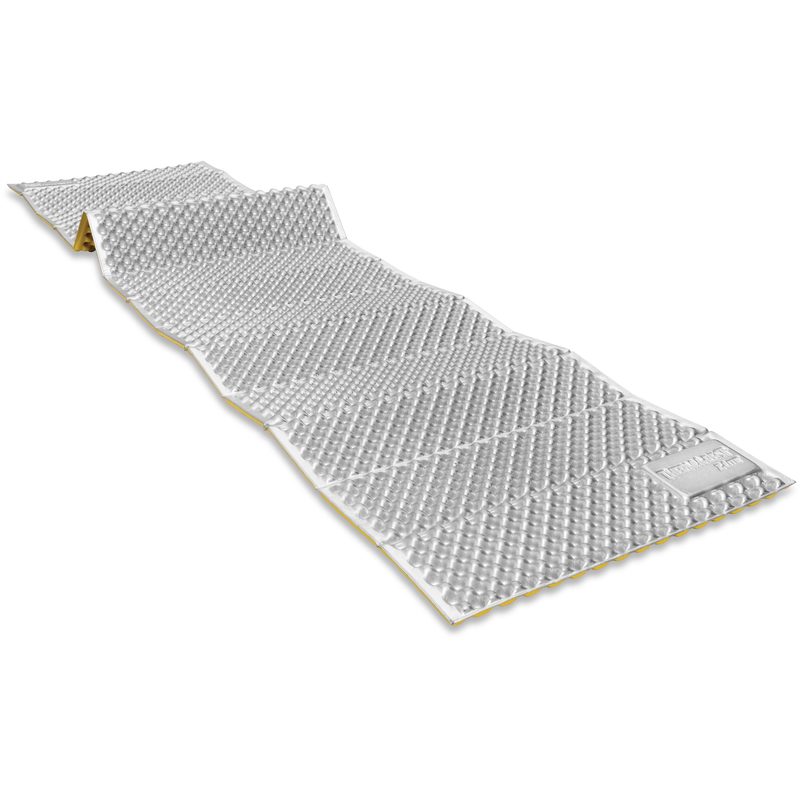
A folding closed-cell foam pad with a reflective coating. People pick it because it can't pop, sets up instantly, and doubles as a sit pad or extra layer under an air pad.
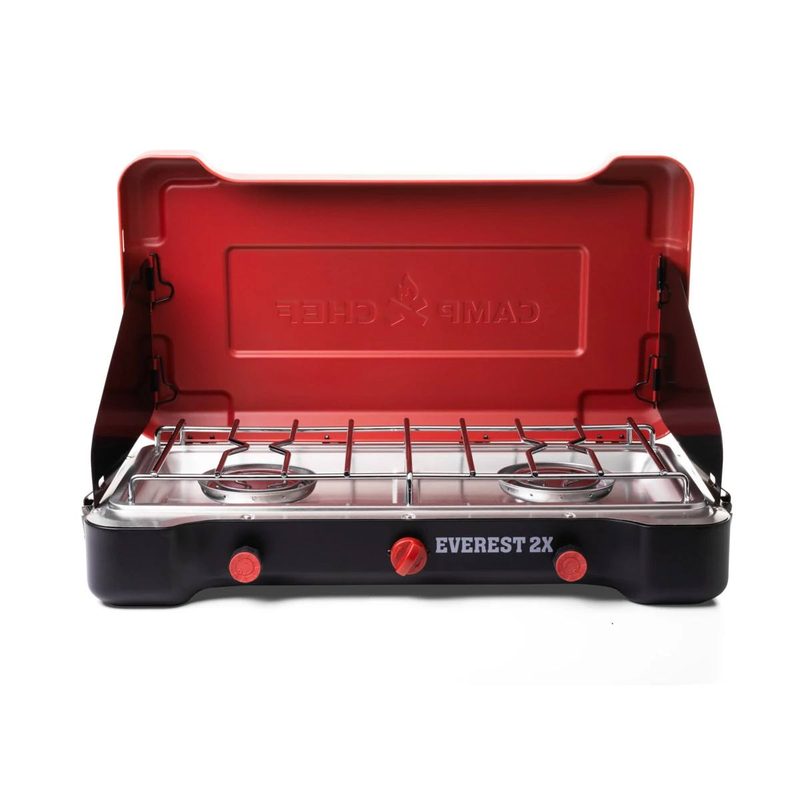
A two-burner propane stove for car camping, with high-output burners and a large cooking surface. It is a top pick in several camp stove tests for simmer control and power.
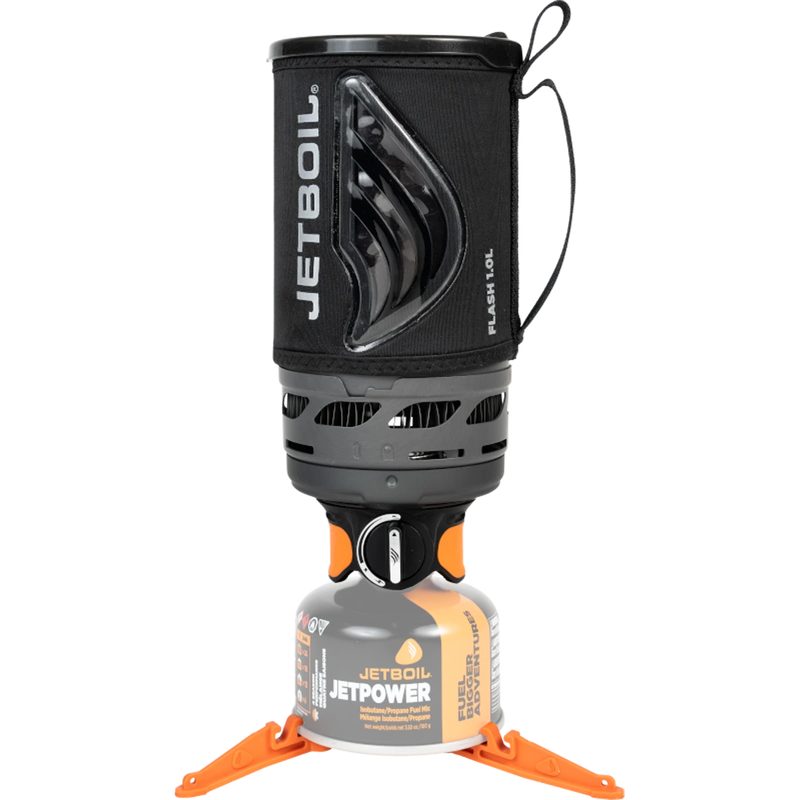
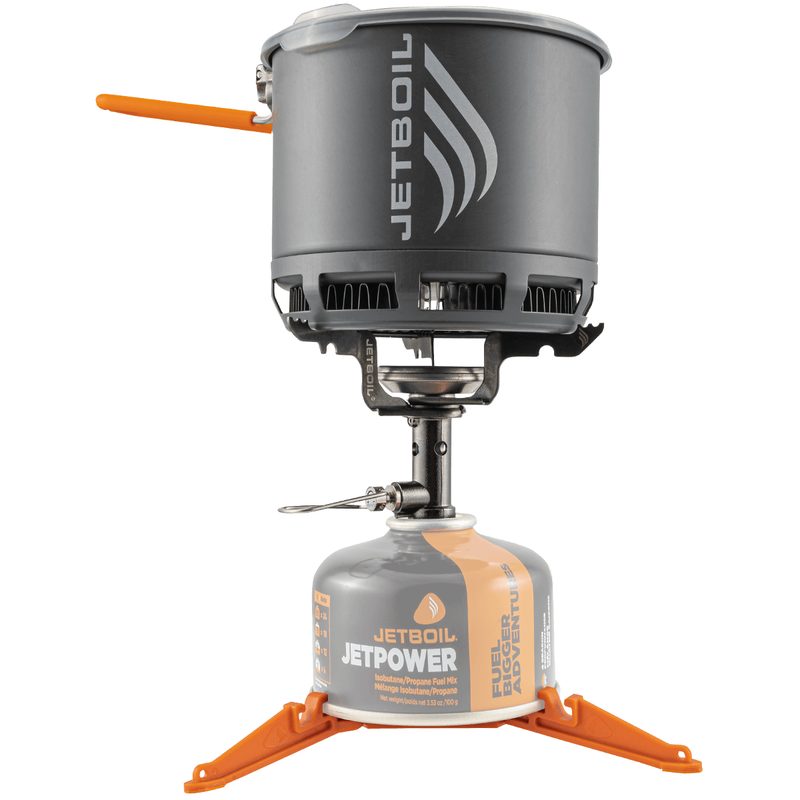
An all-in-one canister stove: burner, 1-liter pot and insulated cozy that lock together and pack as one unit. People pick it to boil water for coffee and freeze-dried meals fast, with a push-button start.
Jetboil's lightest cook system: a small burner and a 0.8-liter aluminum heat-exchanger pot, with the stove and a small fuel canister packing inside the pot.
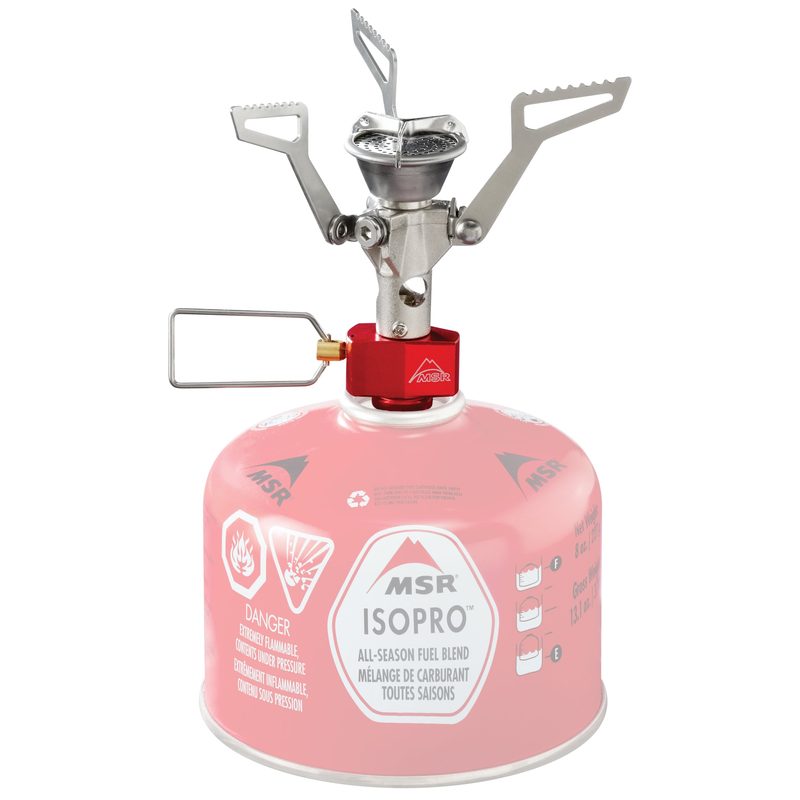
A tiny burner that screws onto a fuel canister, with fold-out arms to hold your own pot. People pick it because it is very light, easy to use, simmers well and lasts for years.
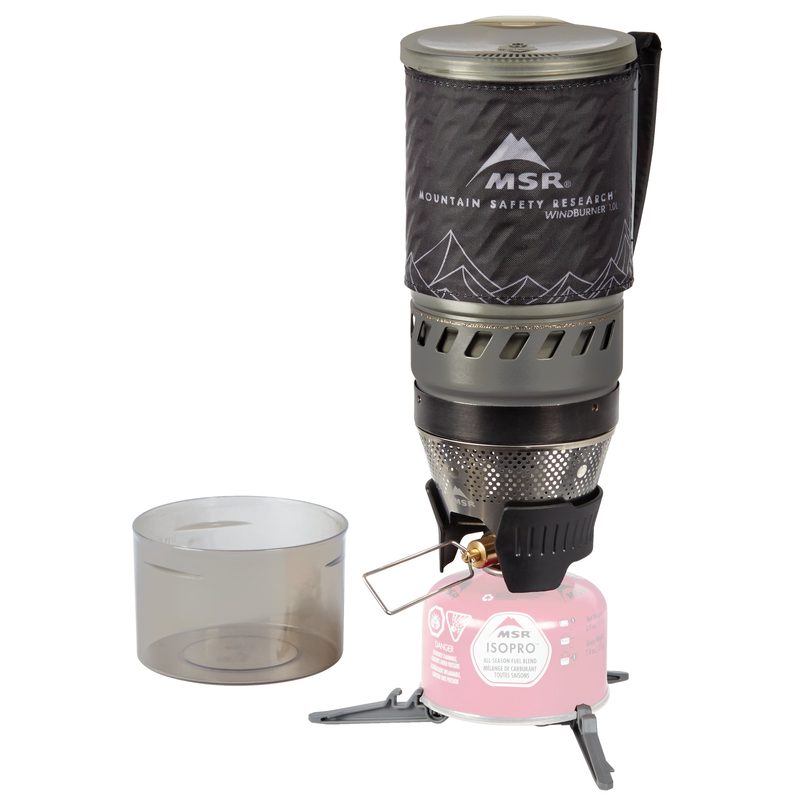
An all-in-one canister stove with an enclosed radiant burner and a 1-liter heat-exchanger pot that locks on. People pick it because it keeps boiling in wind that stalls open-flame stoves.
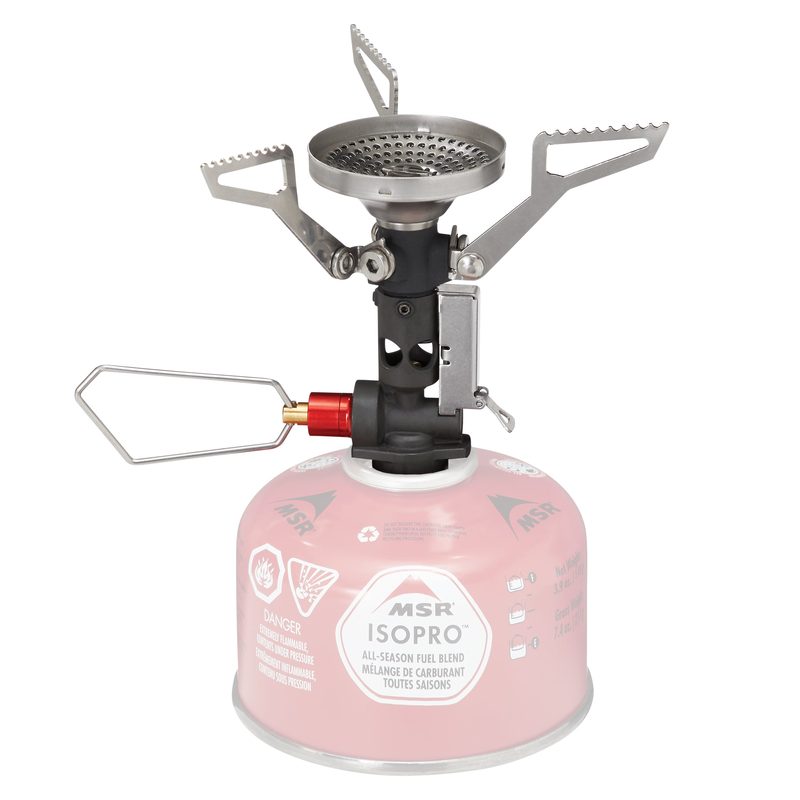
A tiny screw-on canister stove with a push-button igniter and pressure regulator. It is a step up from the basic PocketRocket for people who want steadier heat in cold or wind.
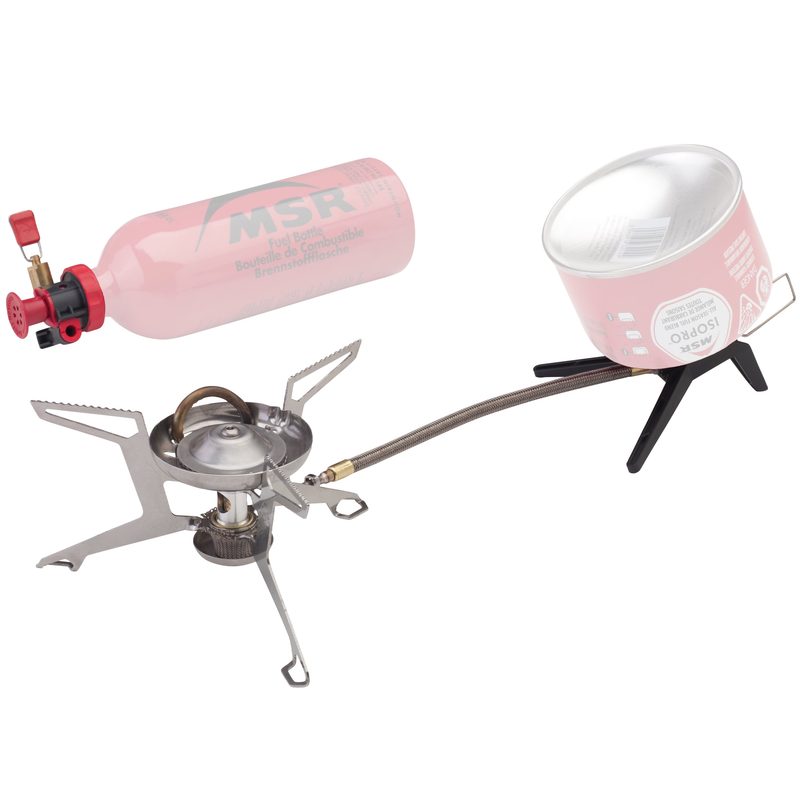
A hybrid backpacking stove that runs on canister gas, white gas, kerosene or unleaded gasoline. People pick it for long trips, cold weather, travel and emergency kits where fuel choice matters.
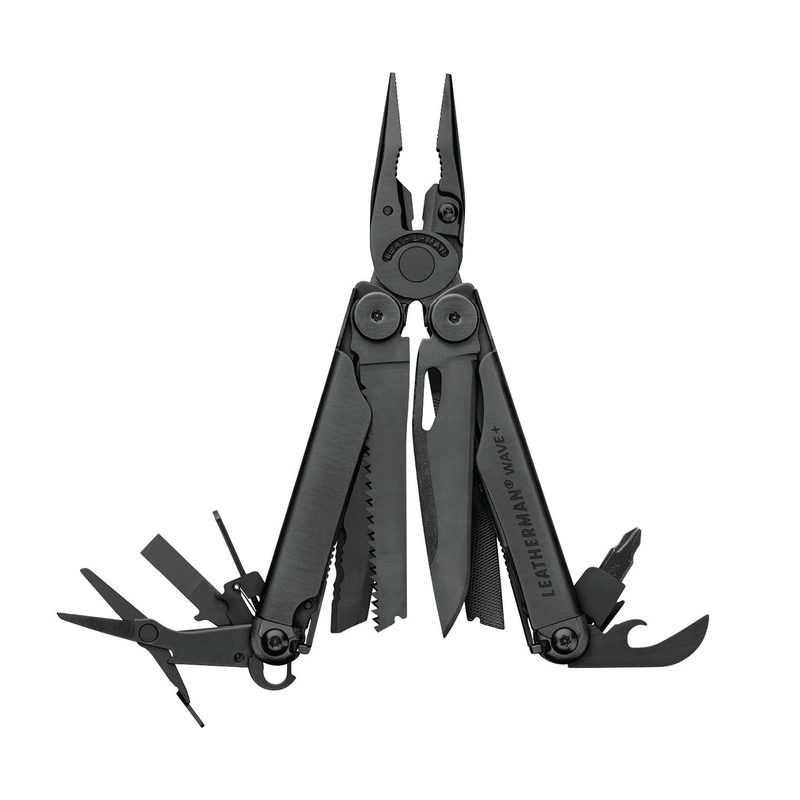
A full-size, 18-tool Leatherman with pliers, wire cutters, two blades, saw, file and drivers. People pick it as the one tool that handles camp chores, vehicle fixes and gear repairs.
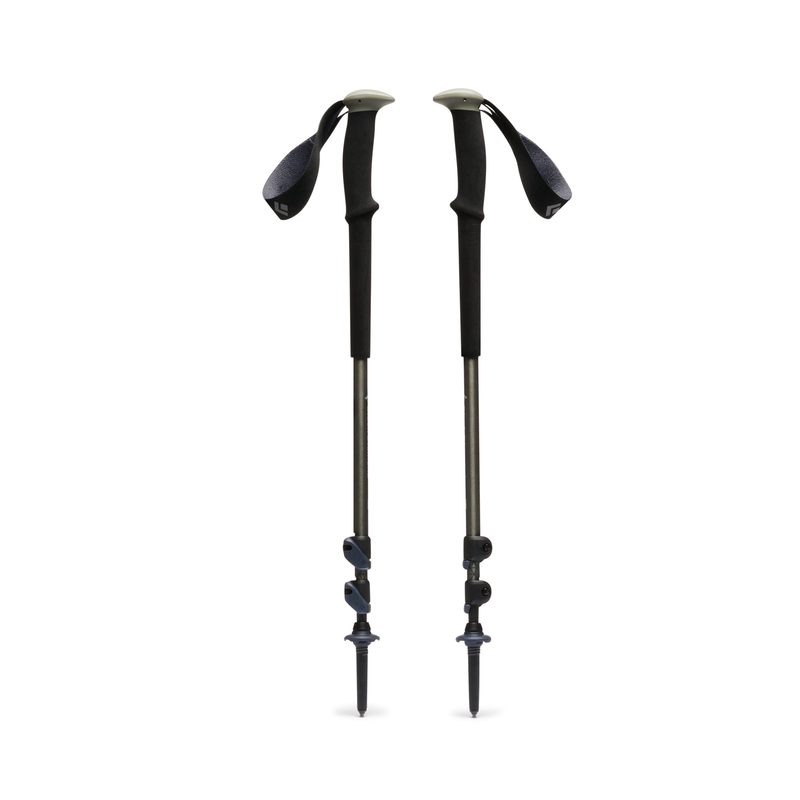
Three-section, adjustable aluminum trekking poles with FlickLock lever locks and EVA foam grips.
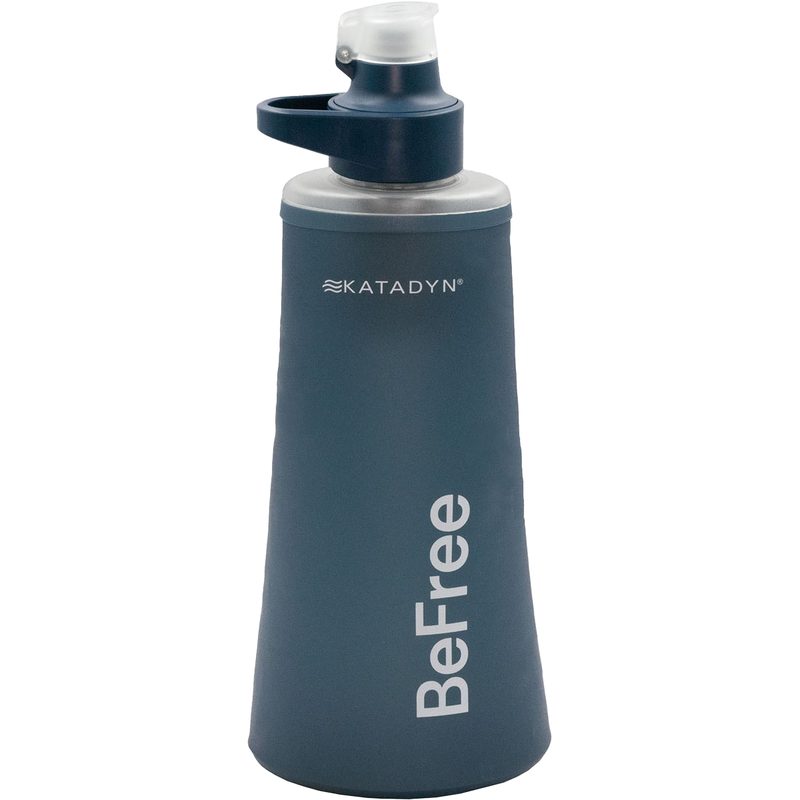
A 1-liter soft flask with a filter built into the cap: dip it in a stream, screw on the cap and drink or squeeze. People pick it for fast flow, a wide mouth that fills easily and how flat it packs.
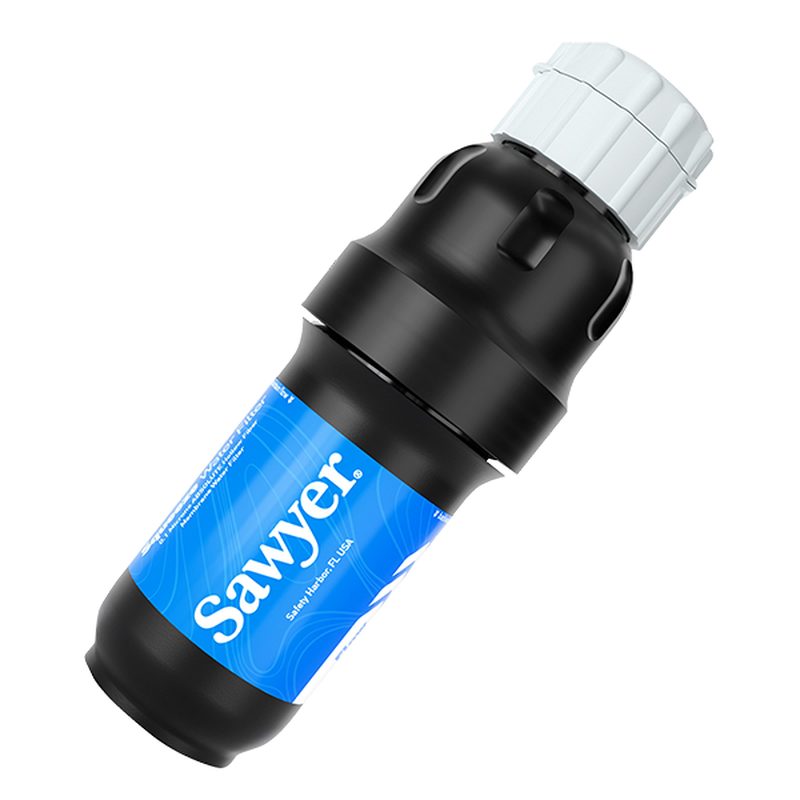
A palm-size hollow-fiber filter that screws onto a soft pouch or a plain water bottle; you squeeze dirty water through it into a bottle or straight into your mouth. People pick it because it is light, fast, cheap to run and works three ways: squeeze, inline on a hydration hose, or as a gravity filter.